The Content-Aware Fill Apply Button Is the Photoshop Update I Didn't Know I Desperately Needed

The Content-Aware Fill Apply Button Is the Photoshop Update I Didn't Know I Desperately Needed

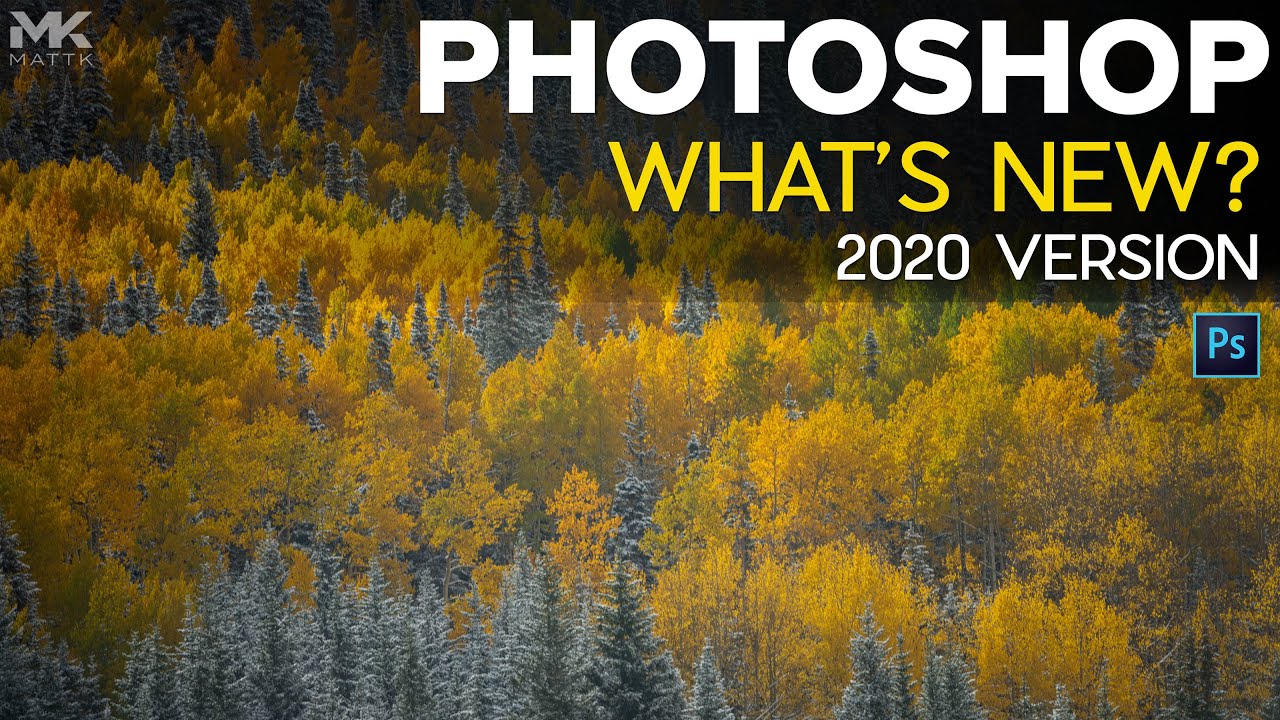
There’s a specific kind of freelance misery that hits when you’re cleaning up a photo with six distracting elements in the background and you have to run the full Content-Aware Fill dialog separately for each one. Select, fill, click OK, exit, re-select, repeat. By object three you’re questioning your career choices. By object five you’re Googling “how to become a park ranger.” This is exactly the problem that a recent Matt Kloskowski tutorial on Photoshop 2020 addresses, and I’ll be honest, I watched it mostly out of habit and ended up genuinely relieved.

Fake It Till You Make It: How to Paint Realistic Hair and Beards in Photoshop

Fake It Till You Make It: How to Paint Realistic Hair and Beards in Photoshop

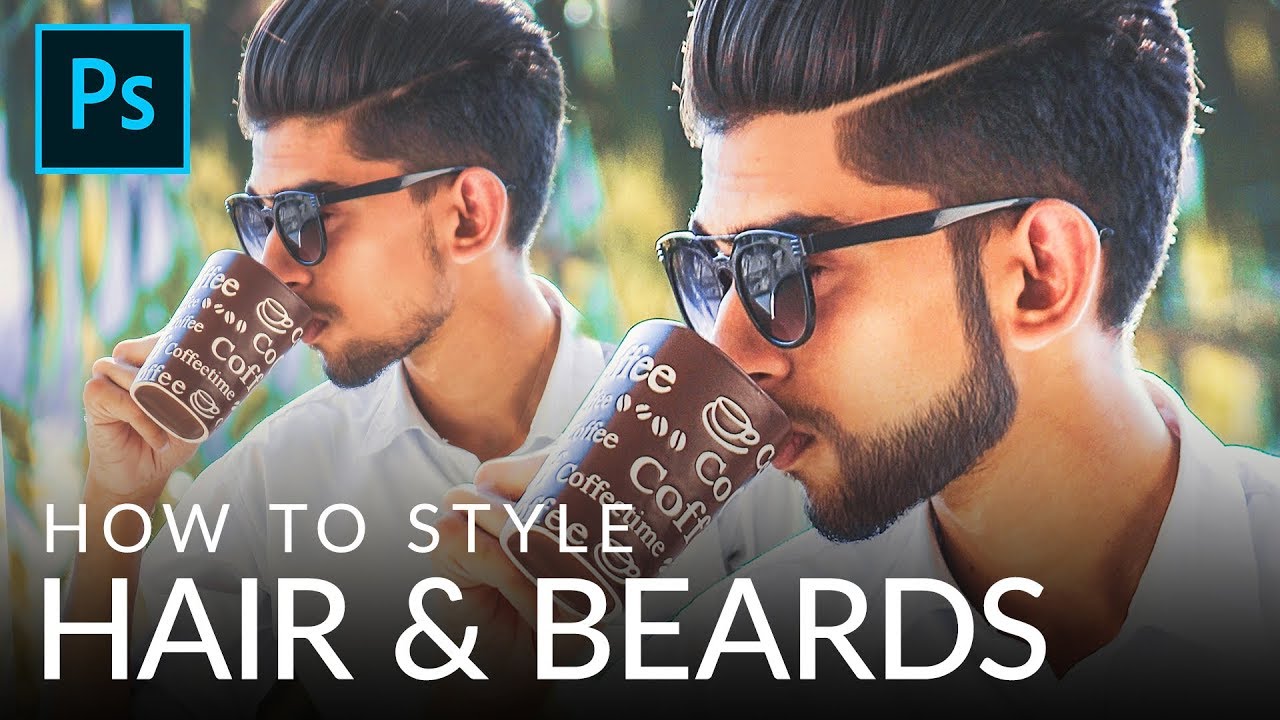
I’ve taken on enough portrait retouching gigs to know that hair is the thing that separates “pretty good” from “actually professional.” Skin? Frequency separation handles most of it. Eyes? A little dodging and burning. But hair, and especially beards, will absolutely expose you if you don’t know what you’re doing. Patchy beards, thin hairlines, awkward shapes that don’t match the light in the scene. Clients notice, even if they can’t articulate why something looks off.

You're Editing Photos One at a Time Like a Caveman — Here's How Batch Processing Fixes That

You're Editing Photos One at a Time Like a Caveman — Here's How Batch Processing Fixes That

Last month I took on a product photography job that seemed simple enough: retouch 340 product images for an e-commerce client. Same edits on every single one. Resize to 2000x2000px, sharpen, adjust white balance, export as sRGB JPEG at 85% quality. Clean, repetitive, boring work. My first instinct was to just… start doing them. One by one. I got through about 40 images in two hours before I wanted to throw my laptop into a lake.

Why Your Long Exposure Shots Look Terrible (And the $30 Fix That Actually Works)

Why Your Long Exposure Shots Look Terrible (And the $30 Fix That Actually Works)

There’s a specific kind of frustration that hits when you’re standing next to a beautiful moving river, you know exactly what the shot should look like, and your camera just… refuses to cooperate. You want that silky, blurred water effect you’ve seen everywhere. Instead you get a sharp, flat, completely unromantic snapshot that looks like you were in a hurry to catch a bus. I’ve been there. Most photographers have.

Photoshop 2020's Best New Tools for Photographers (The Ones Actually Worth Your Time)

Photoshop 2020's Best New Tools for Photographers (The Ones Actually Worth Your Time)

I’ll be honest with you: I am the person who ignores software update notes. I click “update” and then just go back to doing things the way I’ve always done them, completely oblivious to whatever Adobe just shipped. That habit has cost me hours. Hours I could have spent doing literally anything else, including staring at the wall, which I sometimes do between coffee refills at my usual spot on South Congress.

The 3-Minute Thumbnail Cutout That Actually Looks Professional (Thanks, Aaron Nace)

The 3-Minute Thumbnail Cutout That Actually Looks Professional (Thanks, Aaron Nace)

Thumbnails are one of those things I kept treating as an afterthought, right up until a client pointed out that my gorgeous composite was getting zero clicks because the preview image looked like a potato. Lesson learned. Since then I’ve been obsessive about figuring out the fastest, cleanest way to cut a subject out and make them pop against a background, which is exactly the problem this technique solves. In this Aaron Nace (PHLEARN) tutorial, he walks through a workflow that takes maybe three minutes once you’ve done it twice, and the results look polished enough that people assume you spent much longer on it.

Photoshop Filters Are More Powerful Than You Think (And You're Probably Using Them Wrong)

Photoshop Filters Are More Powerful Than You Think (And You're Probably Using Them Wrong)

I used to apply filters directly to pixel layers like a complete amateur. Flatten, filter, done. It felt efficient until a client called asking for a revision on a project I’d already closed out, and I realized the Gaussian Blur I’d baked into the background three saves ago was now a permanent resident of that file. Not a smart object in sight. Just me, sweating into my cold brew at the counter of a coffee shop on South Congress, rebuilding a background from scratch.

The Curves Fix You Didn't Know You Needed: Refine Saturation in Lightroom and Camera Raw

The Curves Fix You Didn't Know You Needed: Refine Saturation in Lightroom and Camera Raw

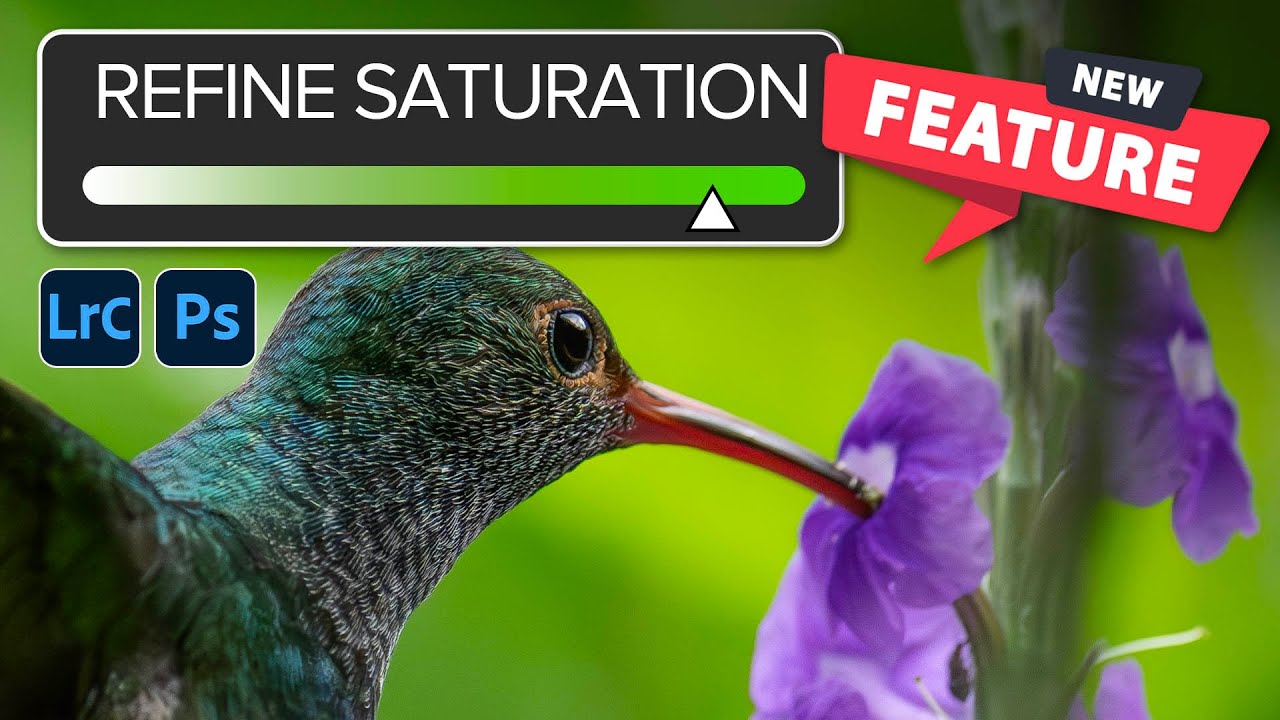
If you’ve ever pulled down the black point on a Curves adjustment and watched your greens go full radioactive swamp, congratulations - you’ve met one of the most quietly frustrating quirks in Lightroom and Camera Raw. You want punchy shadows. You get a photo that looks like it was color-graded by someone who really, really loves saturated tones. The fix used to be a compromise: back off the curve until the colors calm down and accept a softer black point, or sit with the over-saturation and pretend it’s a creative choice.

How to Make 3D Text Glow Like a Neon Sign in Photoshop (Using Illumination Materials)

How to Make 3D Text Glow Like a Neon Sign in Photoshop (Using Illumination Materials)

There’s a particular kind of client brief that shows up every few months in my inbox: “We want it to feel retro. Like neon. You know, glowy.” And for a long time, my answer involved stacking a bunch of Gaussian blurs and Outer Glow layer styles and hoping the client didn’t zoom in too close. It worked. Barely. But it never looked like actual light bouncing off a surface, because it wasn’t.

How Matt Kloskowski's Photoshop Origin Story Will Make You Feel Better About Your First Project

How Matt Kloskowski's Photoshop Origin Story Will Make You Feel Better About Your First Project

There’s a specific kind of embarrassment that comes with looking back at your earliest Photoshop work. Mine was a meme I made in MS Paint at age twelve, which I thought was genuinely hilarious, and which I will not be describing further. The point is: everyone starts somewhere ridiculous. And when I came across Watch the full tutorial on YouTube - this video from Matt Kloskowski reflecting on his very first time using Photoshop - I didn’t expect it to be particularly useful.

Adobe's August 2026 Update: What's New in Lightroom and Camera RAW

Adobe's August 2026 Update: What's New in Lightroom and Camera RAW

Adobe’s August 2026 Update: What’s New in Lightroom and Camera RAW I’ve been digging into the latest August 2026 update for both Lightroom Classic and Adobe Camera RAW, and let me tell you—there’s some genuinely useful stuff here that’ll make your editing life easier. Adobe clearly listened to what users actually need rather than just adding complexity for complexity’s sake. The Feature Shuffle (And Why It Matters) Here’s what I’m noticing with Adobe’s release strategy lately: they’re rolling out new features in Camera RAW first, then letting them percolate for a bit before bringing them into Lightroom Classic.

How to Fake a Graduated Sky Filter in Photoshop (Without Touching a Single Slider)

How to Fake a Graduated Sky Filter in Photoshop (Without Touching a Single Slider)

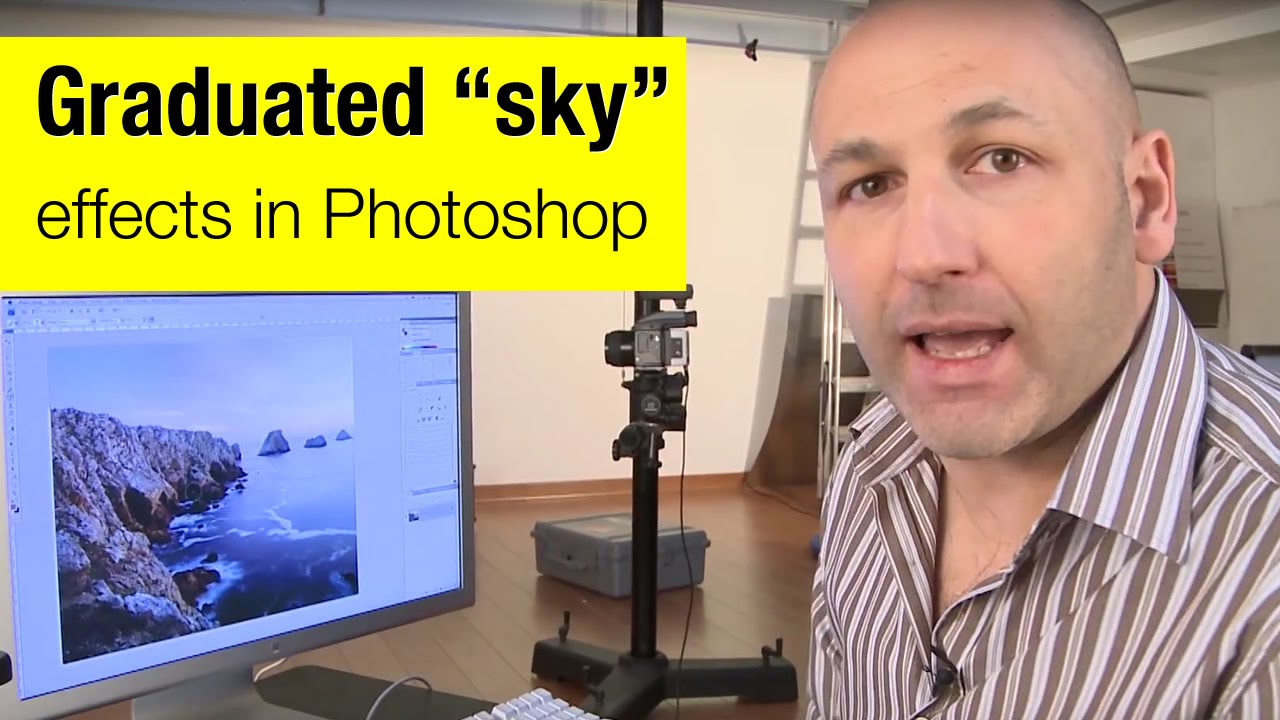
There’s a specific kind of frustration that hits when you’ve got a genuinely great shot — good composition, interesting foreground, strong light — and the sky is just… beige. Flat, washed-out, completely uninspiring. You know the image has something, but the sky is dragging it down. I’ve been there more times than I’d like to admit, and my usual instinct was to reach for Hue/Saturation or start messing with Curves until something looked vaguely better.