30 Days of Photoshop 2025: What's New, What's Changed, and Why Now Is Actually a Great Time to Learn

30 Days of Photoshop 2025: What's New, What's Changed, and Why Now Is Actually a Great Time to Learn

I’ll be honest with you. Every few months I see someone in a design forum ask “is Photoshop still worth learning?” and every time I have to resist the urge to close my laptop and go stare at the wall for a while. Yes. It’s still worth learning. It has always been worth learning. But I do understand the hesitation, because Photoshop in 2025 is a genuinely different piece of software than it was even three years ago.

How to Color a Pop Art Portrait in Photoshop (The Andy Warhol Method, Broken Down)

How to Color a Pop Art Portrait in Photoshop (The Andy Warhol Method, Broken Down)

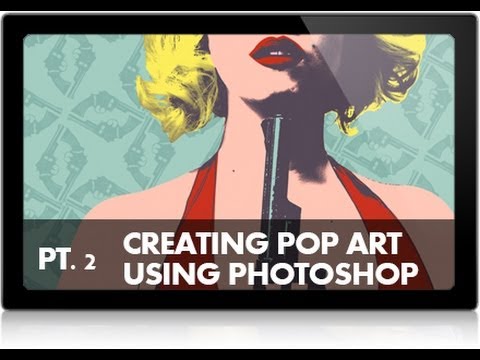
Client asks for something “fun and bold” and suddenly you’re staring at a blank canvas wondering if you should’ve stayed in bed. I’ve been there more times than I care to admit. Pop art styling - that flat, graphic, Warhol-esque treatment - is one of those looks that seems simple until you’re knee-deep in layers wondering why everything looks muddy. The good news: Aaron Nace over at PHLEARN has already figured it out, and his two-part series on creating a Marilyn Monroe-style pop art portrait is genuinely one of the cleaner breakdowns of this technique I’ve seen.

The Invisible Person Effect in Photoshop: A Practical Breakdown of Aaron Nace's Clever Composite Technique

The Invisible Person Effect in Photoshop: A Practical Breakdown of Aaron Nace's Clever Composite Technique

Somewhere between my third coffee and a slow Tuesday with no client deadlines, I fell down a Photoshop tutorial rabbit hole and landed on something genuinely useful. The invisibility effect. Not the lazy “reduce opacity to 50% and call it a ghost” trick. The real one, where a person appears to literally vanish from their clothes while still holding a guitar or wearing a hat. It’s the kind of thing that looks like it requires VFX software and a film crew, but it doesn’t.

Liquify in Photoshop: The Tool You're Probably Underusing (And How to Fix That)

Liquify in Photoshop: The Tool You're Probably Underusing (And How to Fix That)

I’ll be honest with you. For way too long, I treated the Liquify tool like that one kitchen gadget you only pull out for a specific recipe once a year. I knew it existed. I’d used it in a panic to fix something weird in a portrait. Then I’d close the dialog and pretend it never happened. It wasn’t until I started digging into Aaron Nace’s work over at PHLEARN that I realized I was barely scratching the surface of what this thing can actually do.

Build a Holiday Card Collage in Photoshop Using Masks, Groups, and a Free Template

Build a Holiday Card Collage in Photoshop Using Masks, Groups, and a Free Template

Every December I end up in the same situation: someone in my family texts asking if I can “quickly throw together” a holiday card. And every year I either spend way too long building something from scratch or I panic-buy a Canva template and feel vaguely ashamed of myself. This year I actually sat down and watched through a proper tutorial on the subject, and the one that delivered the goods was from Aaron Nace over at PHLEARN.

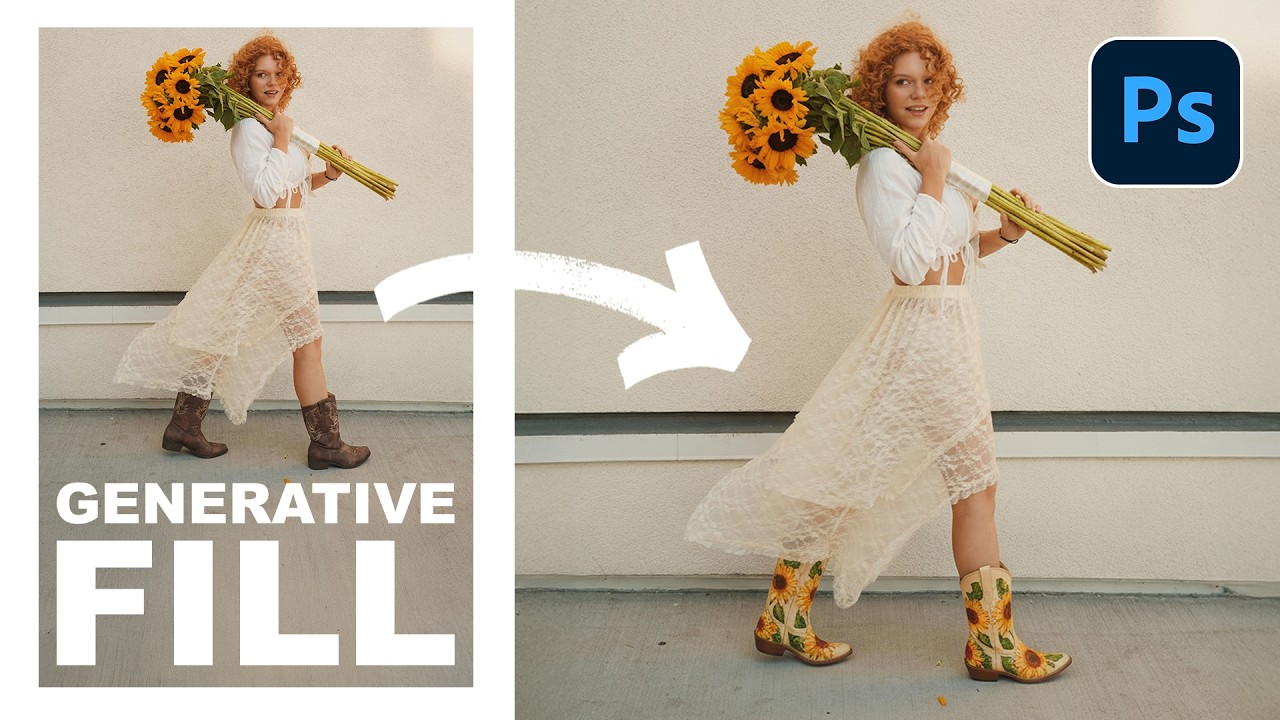
Photoshop's Generative Fill Will Remove Objects So Fast It Feels Like Cheating

Photoshop's Generative Fill Will Remove Objects So Fast It Feels Like Cheating

There’s a specific kind of frustration that comes from spending forty-five minutes carefully cloning out graffiti, power lines, or some random stranger’s elbow from a photo, only to realize the result looks like a smeared fever dream. I’ve been there more times than I’d like to admit. It’s the kind of thing that makes you question your life choices while you’re hunched over a laptop at a coffee shop, desperately trying to make a background look like it was never disturbed.

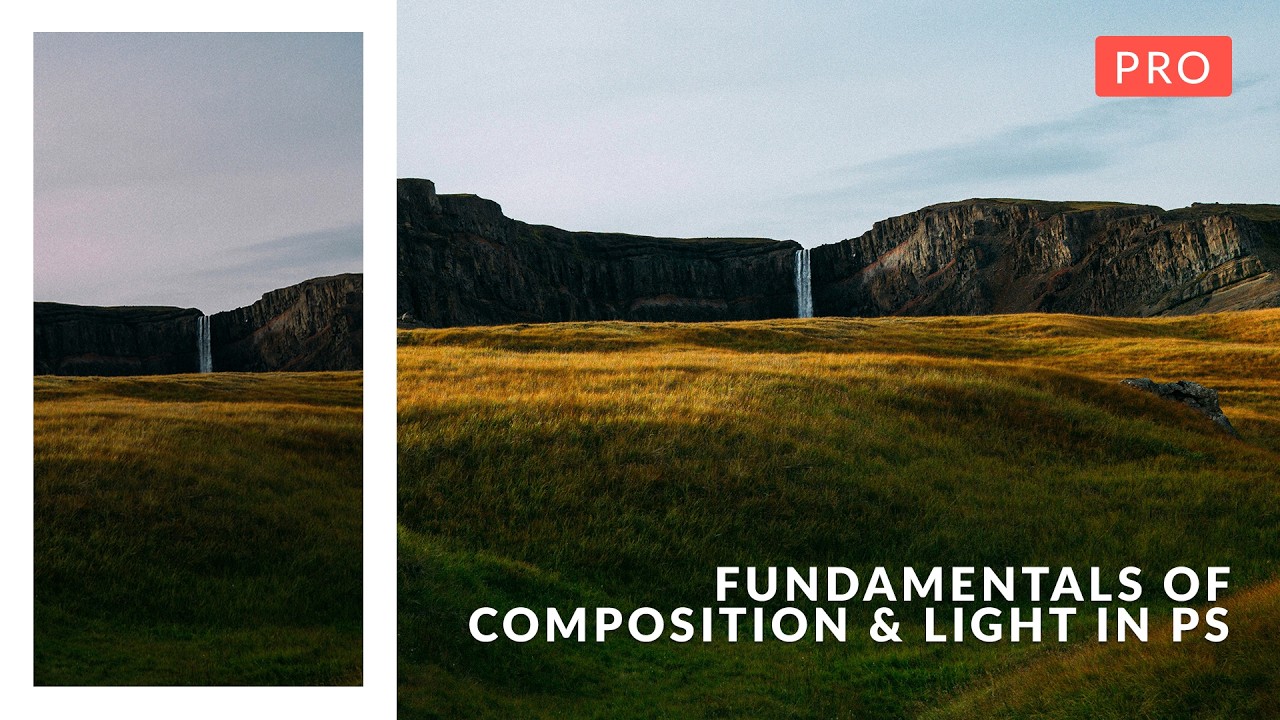
Why Your Landscape Photos Feel Flat (And How to Actually Fix It)

Why Your Landscape Photos Feel Flat (And How to Actually Fix It)

I’ve been doing design and photo editing long enough to know the difference between a technically correct image and one that actually works. For a while, I couldn’t articulate the gap. I’d open a landscape shot, push sliders around in Camera Raw until the histogram looked polite, and then sit back wondering why it still felt like a stock photo someone rejected. Turns out I was treating the symptoms instead of understanding the disease.

Vignettes, Warm Skin, and Bright Eyes: A Practical Photoshop Workflow for Kids' Portraits

Vignettes, Warm Skin, and Bright Eyes: A Practical Photoshop Workflow for Kids' Portraits

Kids are basically impossible to photograph well. They’re moving, they’re squinting, they’ve got something unidentified on their face, and the lighting is whatever chaos the universe handed you that afternoon. So when the photo technically comes out okay, you want the edit to actually do it justice without spending two hours in Photoshop wrestling with it. That’s exactly what this tutorial from Aaron Nace over at PHLEARN delivers. Watch the full tutorial on YouTube before or after reading through this breakdown.

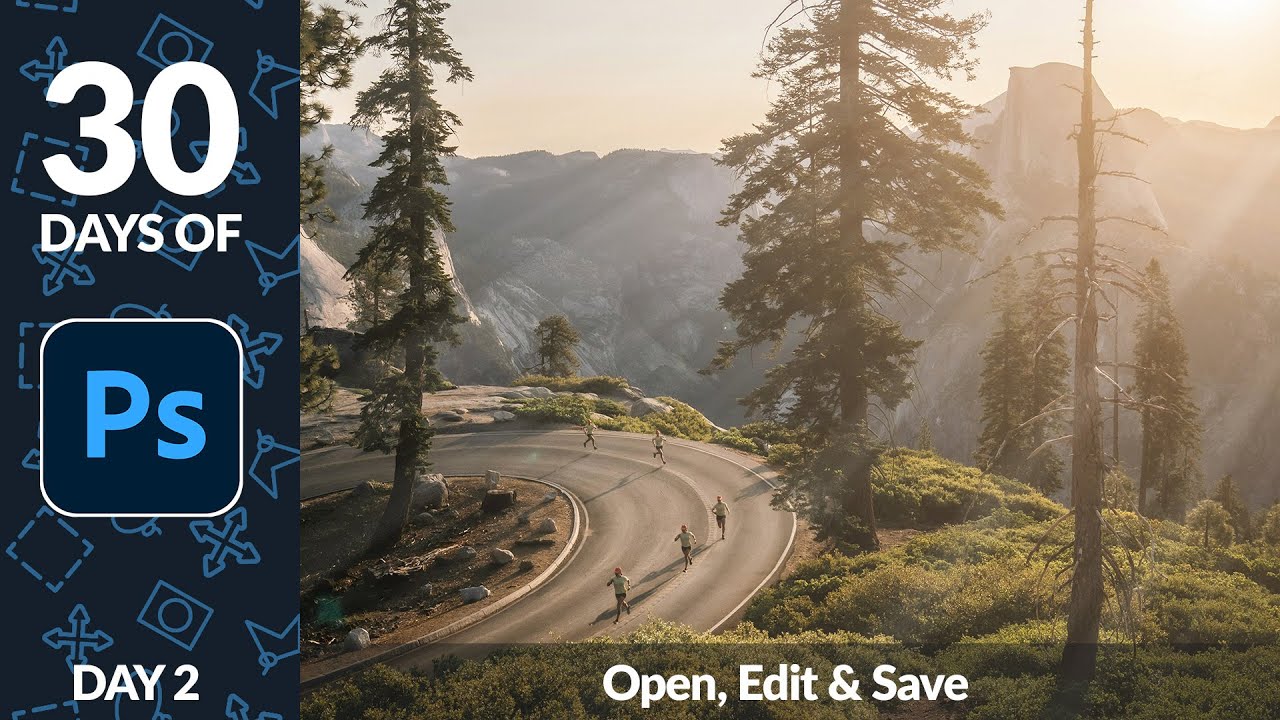
Open, Edit, Save: The Photoshop Workflow That Actually Sticks (Day 2 Breakdown)

Open, Edit, Save: The Photoshop Workflow That Actually Sticks (Day 2 Breakdown)

There’s a particular kind of embarrassment that comes from being a working designer and realizing you’ve been opening files the slow way for years. Not wrong, just slow. Inefficient in that quiet, compounding way that costs you ten seconds here, thirty seconds there, until one day you’re watching someone else work and they pull off three steps in the time it took you to reach for your mouse. That was me, earlier in my career, and honestly it still catches me off guard when I stumble onto a faster method.

Blending Modes Are Doing Half Your Compositing Work — You're Just Not Using Them

Blending Modes Are Doing Half Your Compositing Work — You're Just Not Using Them

A few years back, I spent the better part of three days building a composite that a photographer friend of mine looked at, sat down, and rebuilt in about twenty minutes using techniques I had genuinely never considered. That moment broke something loose in my brain. I had been doing things the hard way, masking and erasing and cutting, when blending modes were sitting right there in the Layers panel like a cheat code I’d never bothered to read.

How to Bend a Vegetable Into a Heart Shape (And Actually Make It Look Real)

How to Bend a Vegetable Into a Heart Shape (And Actually Make It Look Real)

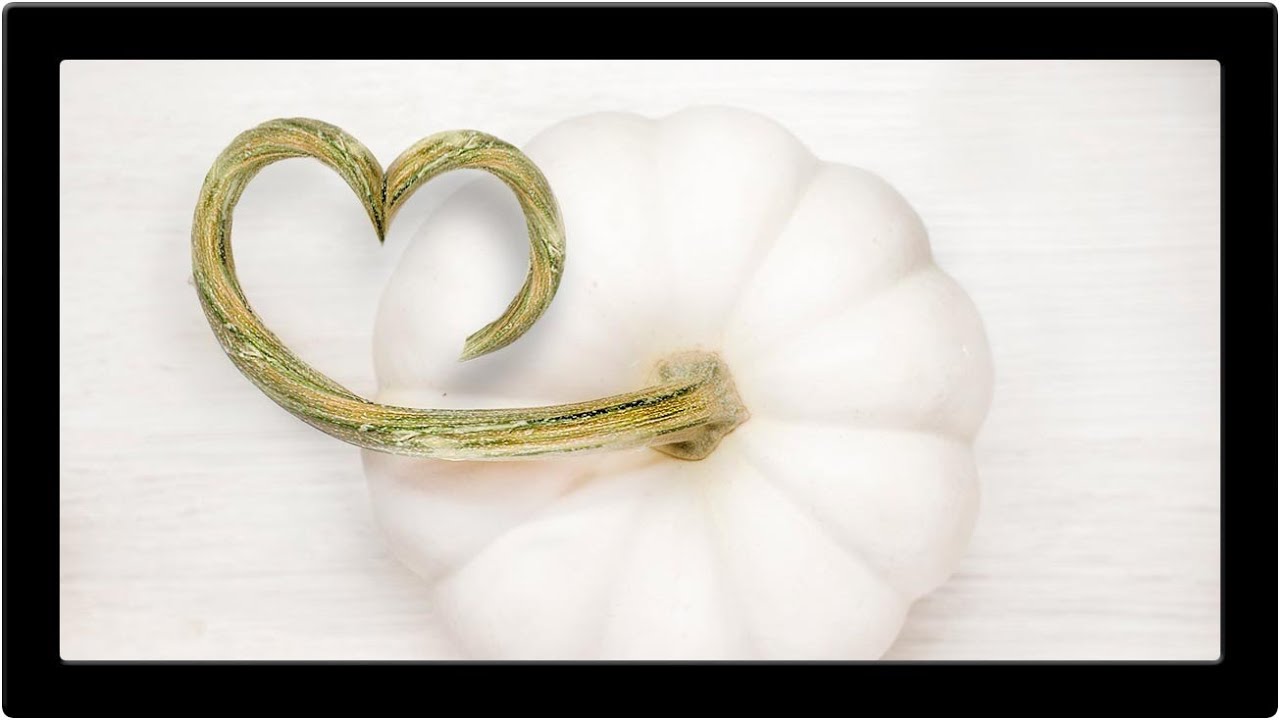
There’s a specific kind of client brief that used to make me sweat: “make it look natural, but also… different.” You know the one. A product photo where the stem of a flower needs to curl into a logo shape, or a branch needs to extend three inches further than it actually does in real life. Clean, simple, advertising-ready. The kind of thing that looks effortless until you try to pull it off and end up with a smeared, obviously-Photoshopped disaster at 2am.

Fake a Tilt-Shift Lens in Photoshop Without Spending $2,000 on Glass

Fake a Tilt-Shift Lens in Photoshop Without Spending $2,000 on Glass

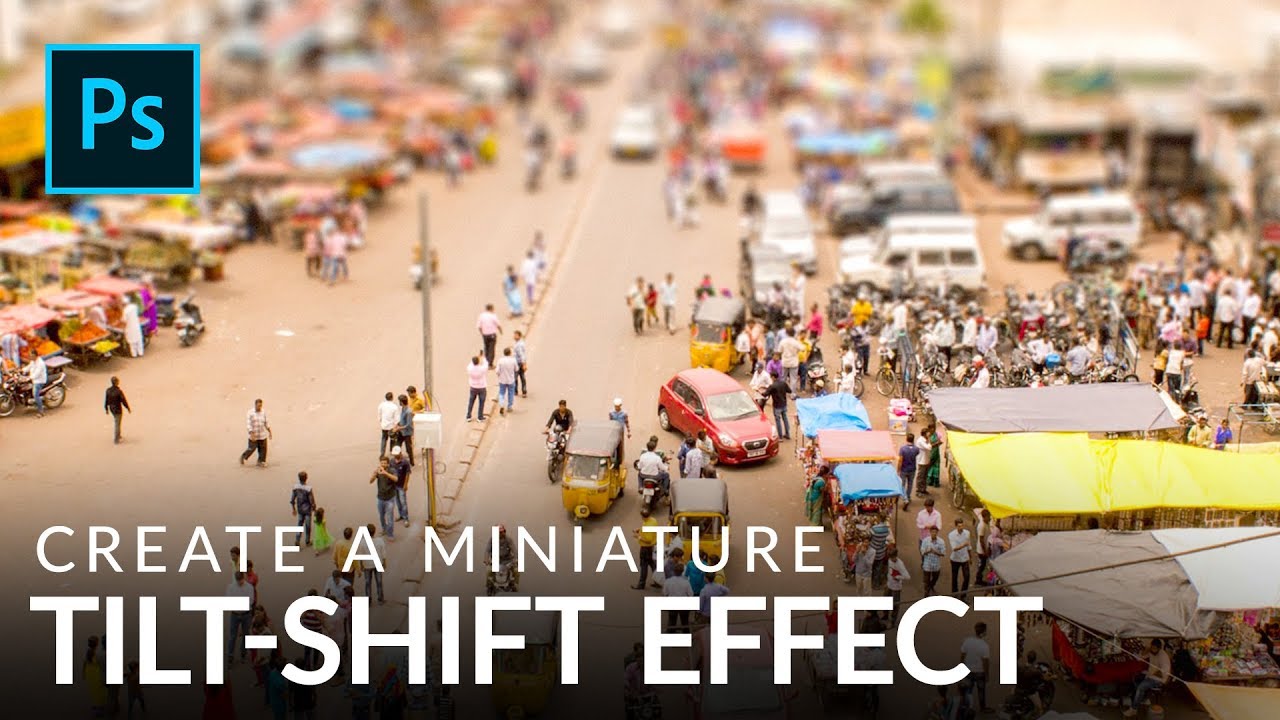
There’s a certain kind of photo that stops people mid-scroll. The city looks like a model train set. The crowd looks like a handful of tiny plastic people. Everything feels weirdly toy-like and satisfying. That’s the tilt-shift effect, and for years I assumed it required either an absurdly expensive specialty lens or some dark Photoshop sorcery I hadn’t been initiated into. Turns out it’s neither. It’s a gradient mask and a blur filter, and you can knock it out in under ten minutes once you know what you’re doing.