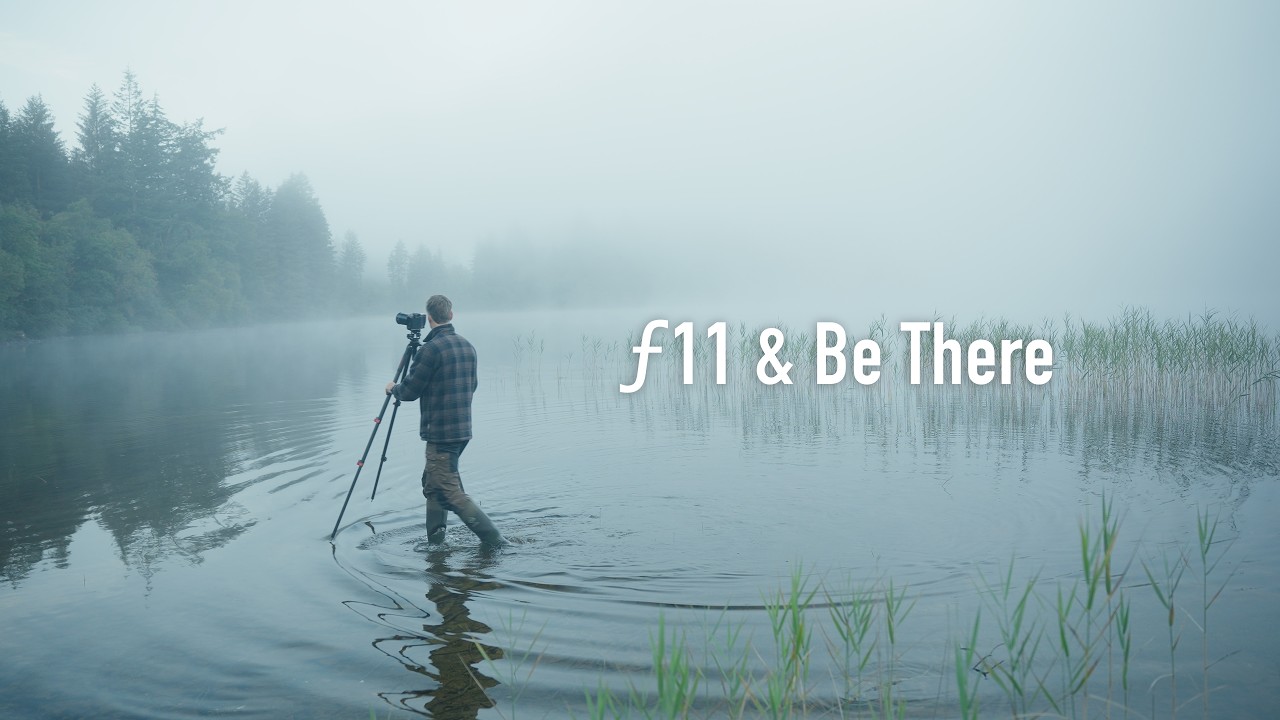
When the Light Dies, You Adapt: Long Exposure Black and White Landscape Techniques from Thomas Heaton

When the Light Dies, You Adapt: Long Exposure Black and White Landscape Techniques from Thomas Heaton

There’s a moment every photographer knows. You’ve hiked to the spot, the scene is gorgeous, and then the wind picks up and kills any hope of a mirror-flat reflection. You either pack up or you adapt. I’ve packed up. I’ve also stood there like an idiot waiting for calm water that never came. What I hadn’t fully internalized until recently is that adapting isn’t a consolation prize — it’s a legitimate creative decision that the best landscape photographers make constantly, often producing stronger work than the original plan would have.
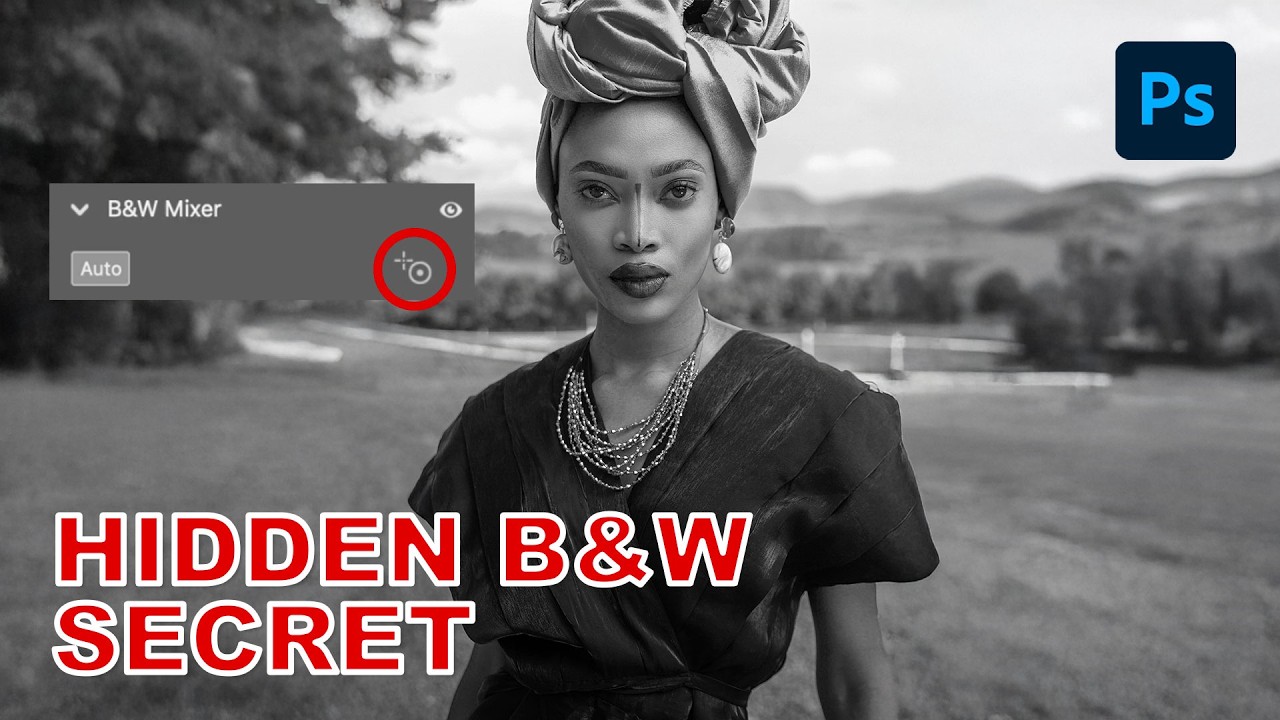
Stop Adjusting Black & White Sliders Blindly — Camera Raw Has a Better Way

Stop Adjusting Black & White Sliders Blindly — Camera Raw Has a Better Way

I used to convert images to black and white the same way I did everything else when I was starting out: wrong, but confidently. Desaturate the layer, maybe drag a few sliders around in Hue/Saturation, call it a day. The results looked flat, the contrast was muddy, and I had no way to go back and fix anything without starting over. I learned about non-destructive editing the hard way – the very hard way, involving a client project and a save that couldn’t be undone – and it changed how I approach basically everything in Photoshop now.

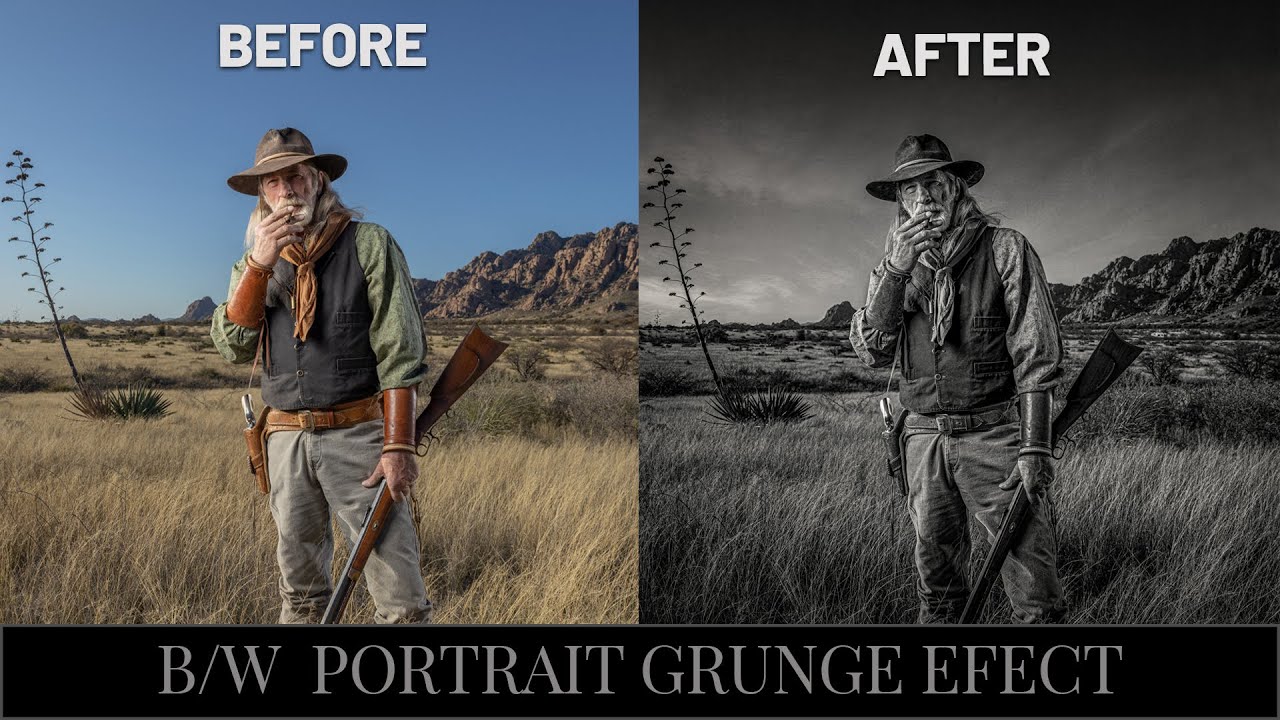
Joel Grimes' Dramatic Black & White Portrait Technique (And Why I Wish I'd Known This Sooner)

Joel Grimes' Dramatic Black & White Portrait Technique (And Why I Wish I'd Known This Sooner)

There’s a specific kind of frustration that comes from knowing your black and white portrait should look cinematic and instead looks like a desaturated snapshot from a 2009 Facebook album. I’ve been there more times than I’d like to admit. The problem usually isn’t the photo itself. It’s the conversion process. Most people hit Image > Desaturate, squint at the result, and then wonder why it looks flat. The answer is that dramatic B&W isn’t a one-step thing.