Layer Techniques That'll Actually Speed Up Your Workflow

Layer Techniques That'll Actually Speed Up Your Workflow

Layer Techniques That’ll Actually Speed Up Your Workflow I’ve been working in Photoshop long enough to know that layers are either your best friend or your worst nightmare. Usually both, sometimes simultaneously. The difference between spending eight hours on a project and four hours? Knowing how to wield layers like you actually know what you’re doing. Let me share the techniques I actually use instead of pretending layers are some mystical art form.

Layer Techniques That'll Actually Make Your Life Easier (Not Just More Complicated)

Layer Techniques That'll Actually Make Your Life Easier (Not Just More Complicated)

Layer Techniques That’ll Actually Make Your Life Easier (Not Just More Complicated) I’ve got a confession: I used to think Photoshop layers were just a necessary evil. You know, like taxes or listening to your partner’s work story. Then I realized I was being an idiot, and that layers are actually the difference between a smooth workflow and wanting to throw your computer out a window at 11 PM. Let me share what I’ve learned that actually matters.

Layer Techniques That'll Actually Make You Better at Photoshop

Layer Techniques That'll Actually Make You Better at Photoshop

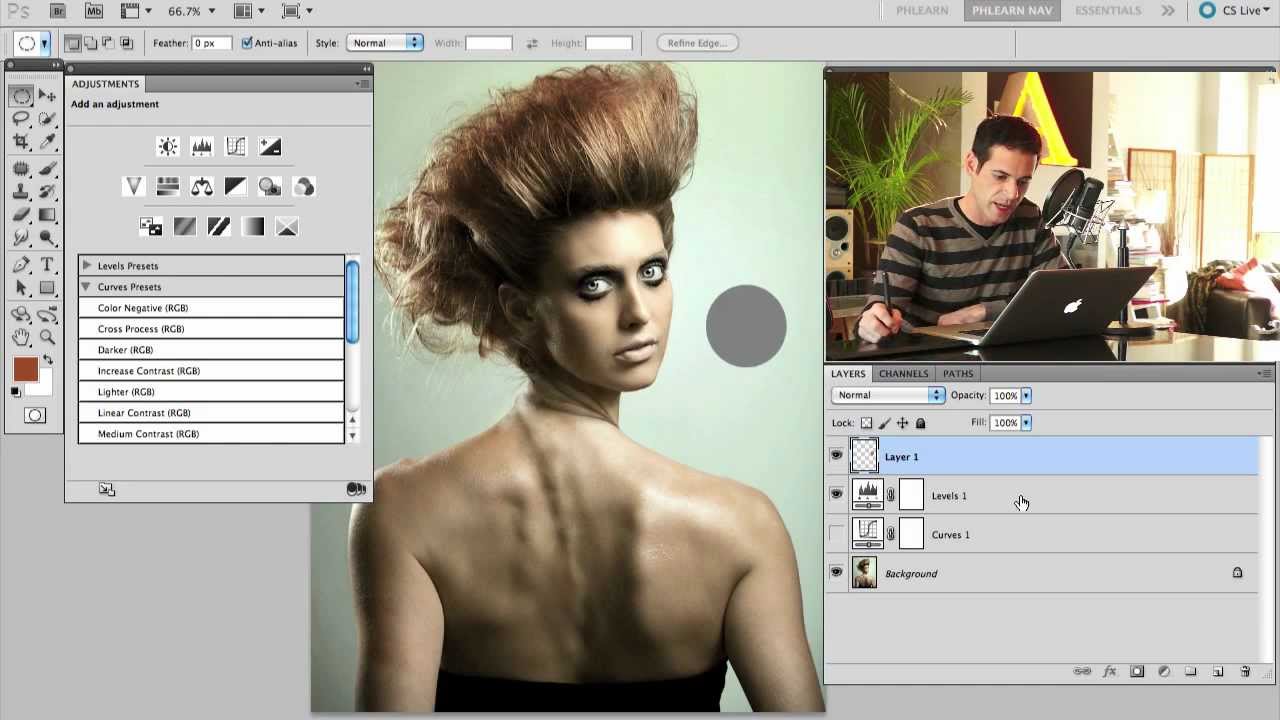
I’ve watched a lot of people use Photoshop, and I’ve noticed something: most folks treat layers like a filing system designed by someone who hates them. Flat documents, hundreds of unnamed layers, blend modes nobody understands. It’s chaos. But here’s the thing—once you actually use layers strategically, your entire workflow becomes faster, smarter, and way less likely to end in rage-quitting. Stop Naming Layers Like a Coward Look, I get it.

Layer Techniques That'll Actually Change Your Photoshop Game

Layer Techniques That'll Actually Change Your Photoshop Game

Layer Techniques That’ll Actually Change Your Photoshop Game Listen, I’ve watched enough Photoshop tutorials to know that most of them gloss over layers like they’re not the difference between a smooth workflow and wanting to throw your computer out the window. Layers are literally your foundation for everything, yet people treat them like a necessary evil rather than a superpower. Let me share some actual techniques I use every single day that have genuinely made me faster and less likely to rage-quit.

Layer Mastery: The Techniques That'll Actually Save Your Sanity

Layer Mastery: The Techniques That'll Actually Save Your Sanity

Layer Mastery: The Techniques That’ll Actually Save Your Sanity Look, I’m not going to tell you that understanding Photoshop layers is “fundamental to your creative journey” or some corporate nonsense like that. But I will tell you that once you stop treating layers like a filing cabinet and start treating them like a Swiss Army knife, your workflow gets stupidly faster. Stop Naming Layers Like a Psychopath First things first: if your layers panel looks like a ransom note—“Layer 32 copy 5”—we need to talk.

Layer Mastery: The Techniques That Changed My Photoshop Game

Layer Mastery: The Techniques That Changed My Photoshop Game

Layer Mastery: The Techniques That Changed My Photoshop Game I used to think layers were just Photoshop’s way of making things unnecessarily complicated. Boy, was I wrong. Once I stopped treating layers like a necessary evil and started actually using them strategically, my entire workflow transformed. Here’s what finally clicked for me. Color-Code Everything (Seriously, Do This) This is the simplest hack that had the biggest impact on my sanity. Every layer I create now gets a color label.

Layer Mastery: Stop Destroying Your Original Images

Layer Mastery: Stop Destroying Your Original Images

Layer Mastery: Stop Destroying Your Original Images Look, I’m going to be honest with you: I’ve deleted things in Photoshop that I absolutely should not have deleted. Permanent things. The kind of things that make you stare at your screen for five seconds in disbelief before muttering some choice words and hitting Undo seventeen times. The difference between me now and me five years ago? I finally learned to respect layers.

Layer Masks Explained: The One Feature You Must Master

Layer Masks Explained: The One Feature You Must Master

If you only learn one thing in Photoshop, make it layer masks. I’m serious. You can fake your way through most of Photoshop with auto settings and presets, but masks are the thing that separates someone who uses Photoshop from someone who actually knows Photoshop. What Is a Layer Mask? A layer mask is a grayscale image attached to a layer that controls where that layer is visible. White areas show the layer.

How to Resize Images Without Losing Quality

How to Resize Images Without Losing Quality

“How do I make this image bigger without it getting blurry?” might be the most frequently asked Photoshop question. The short answer is: you can’t add detail that doesn’t exist. The longer answer is: you can get surprisingly close with the right technique. Understanding Resolution Before resizing anything, understand what you’re working with. Go to Image > Image Size and look at three numbers: Pixel dimensions (width x height in pixels): This is the actual data in your image Resolution (pixels per inch): This only matters for print Document size (inches or cm): The physical print size at the current resolution For web and screen use, only pixel dimensions matter.

How to Remove Background in Photoshop 2026: The Complete Guide to Every Method

How to Remove Background in Photoshop 2026: The Complete Guide to Every Method

How to Remove Background in Photoshop 2026: The Complete Guide to Every Method Look, I’ve been removing backgrounds in Photoshop for longer than I care to admit, and I’m here to tell you that Adobe has finally made it actually fun. The 2026 version brought some seriously impressive updates that make the old “painstaking selection tools” feel like we were editing with stone tablets. If you’re wondering how to remove background in Photoshop 2026, you’re in luck—because this year’s features are genuinely game-changing.

How to Make Colors Pop Without Oversaturating

How to Make Colors Pop Without Oversaturating

“Make the colors pop” is probably the most common editing request, and the most common way to fulfill it — cranking the saturation slider — is also the worst. Oversaturated images look amateurish, print terribly, and destroy skin tones. Here’s how to actually make colors more vivid and impactful. Why Saturation Alone Doesn’t Work The Saturation slider increases the intensity of every color equally. This means already-saturated colors become radioactive while subtle colors barely change.

How to Create Double Exposure Effects

How to Create Double Exposure Effects

The double exposure effect — two images blended into one — originated as a film camera technique where the same frame was exposed twice. In Photoshop, we can achieve the same look with far more control over the result. Here’s how to create a convincing double exposure from scratch. Choosing Your Images The image pairing makes or breaks this effect. You need: Image A (the base): Usually a portrait or silhouette with strong shape definition.