How to Add Video Transitions in Photoshop (Yes, Photoshop)

How to Add Video Transitions in Photoshop (Yes, Photoshop)

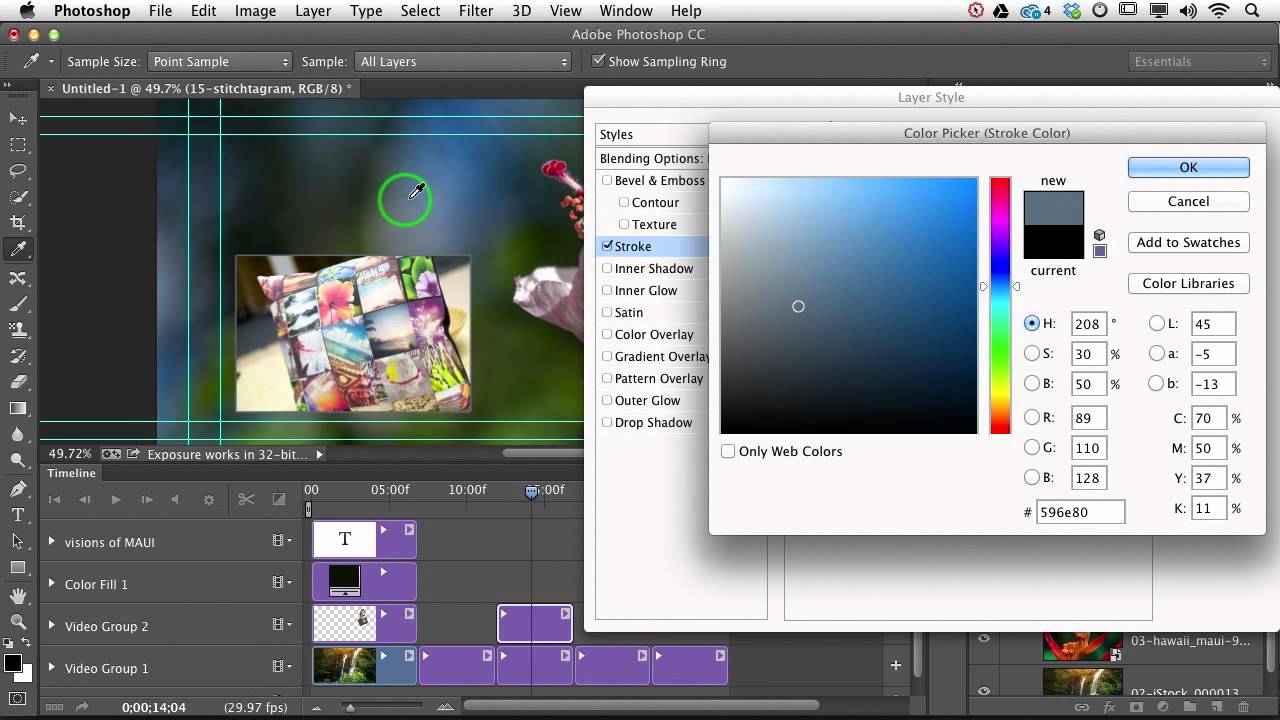
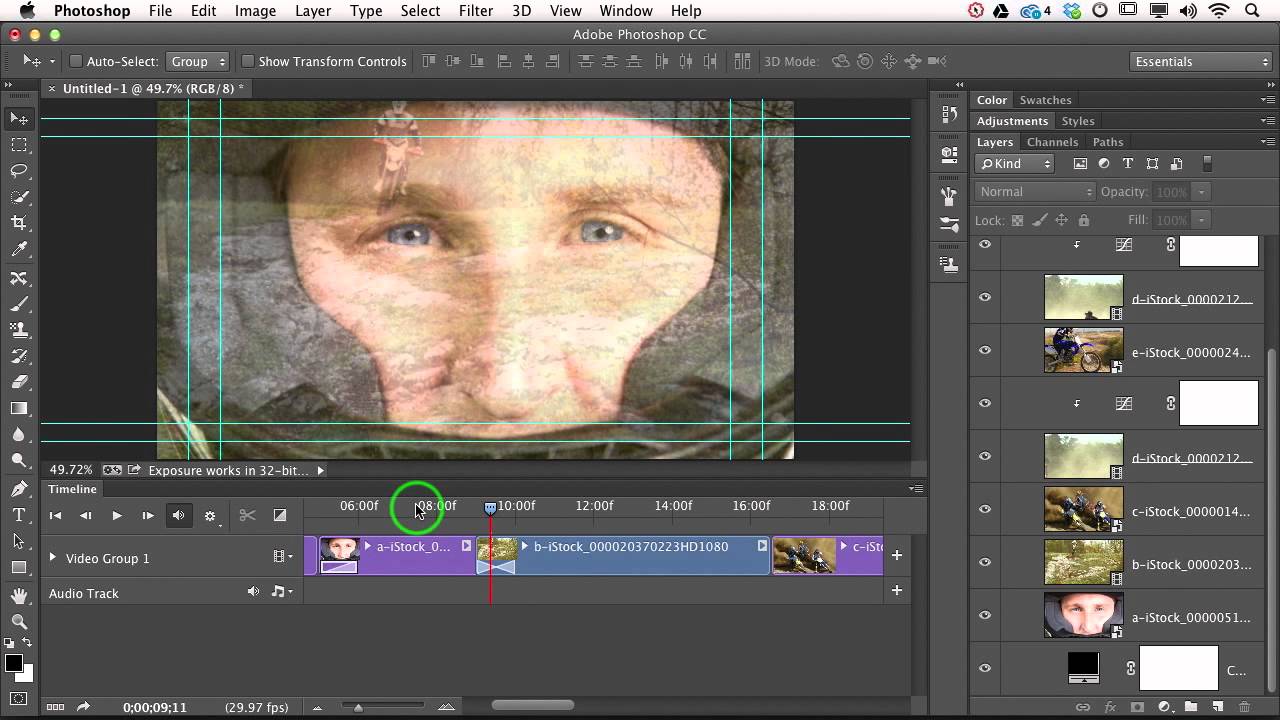
Most people don’t think of Photoshop as a video tool. I didn’t either, until a client handed me a simple slideshow project and I realized I had no budget for Premiere and no patience to learn it that week. Photoshop’s Timeline panel is genuinely capable of handling short video edits, and once you know where things live, it moves fast. The part that tripped me up was transitions. Not adding them — that part’s easy — but making them look right without mysterious transparency issues eating my footage.
Frozen in Time: How to Make a Cinemagraph in Photoshop (Without Losing Your Mind)

Frozen in Time: How to Make a Cinemagraph in Photoshop (Without Losing Your Mind)

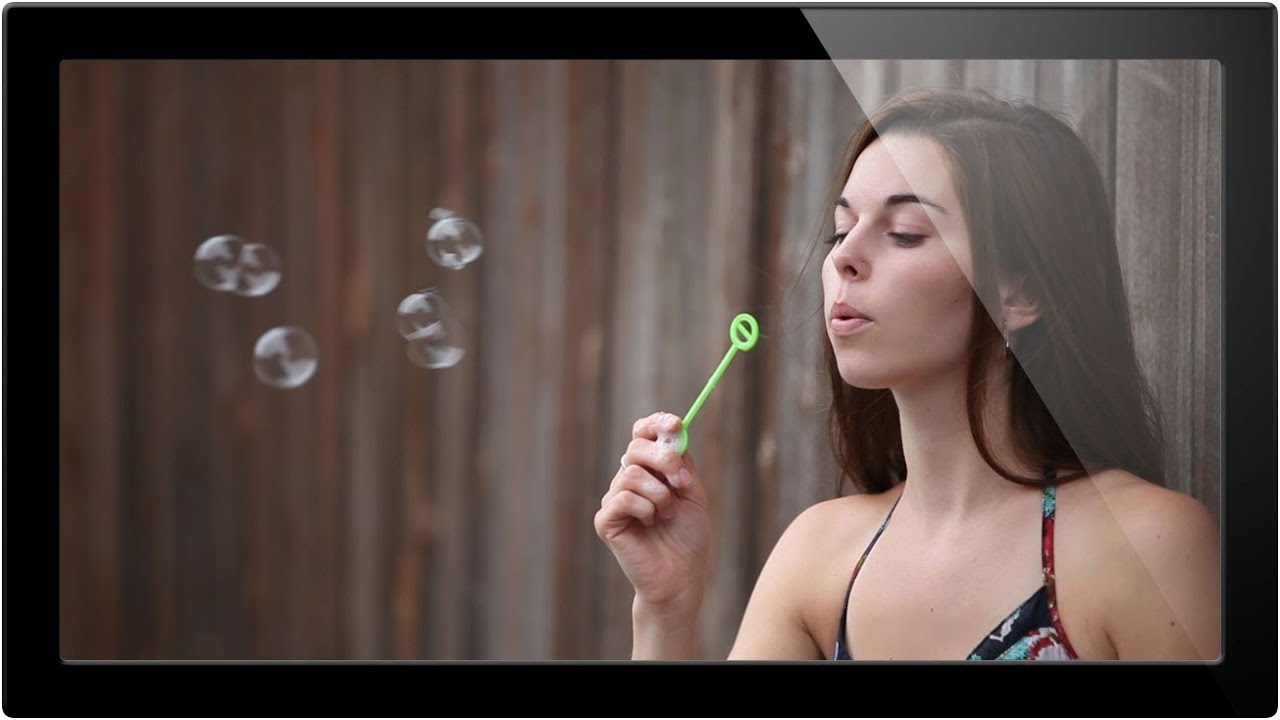
I’ll be honest — the first time I saw a cinemagraph in the wild, I thought someone had broken the internet. Just a woman sitting perfectly still at a café table while steam curled endlessly off her coffee cup. No play button. No loading bar. Just this eerie, beautiful loop that made you do a double take. I spent an embarrassing amount of time staring at it before I even thought to ask how it was made.

Animated Layer Masks in Photoshop: The Secret to Title Screens That Don't Look Cheap

Animated Layer Masks in Photoshop: The Secret to Title Screens That Don't Look Cheap

Client work has a way of exposing every gap in your skill set. For the longest time, my video work in Photoshop stopped at color grading and slapping some text on screen. If a client wanted a logo reveal or a title that actually did something, I’d either fake it with a hard cut or quietly apologize and suggest they “keep it minimal.” Minimalism is a great cover story until a client asks why their competitor’s intro looks so much slicker than theirs.

How to Add a Picture-in-Picture Video Inset in Photoshop (Without It Looking Terrible)

How to Add a Picture-in-Picture Video Inset in Photoshop (Without It Looking Terrible)

Client work has a way of humbling you fast. I can’t count the number of times someone has asked me for a “simple” video overlay and I’ve spent way too long fussing with positioning, scaling, and trying to make two video clips sit together without looking like a mid-2000s sports broadcast. The picture-in-picture format is one of those things that looks deceptively easy until you’re actually doing it and the inset clip is either the wrong size, sitting in a weird spot, or has that raw, unfinished edge that screams “I just dragged this here and hoped for the best.

Color Grading Video in Photoshop: Local vs. Global Adjustments (And Why It Actually Works)

Color Grading Video in Photoshop: Local vs. Global Adjustments (And Why It Actually Works)

Most of my work lives in still images. Composites, retouching, the occasional logo a client describes as “clean but also edgy.” Video always felt like someone else’s problem. Then a client handed me raw footage and asked me to “make it look cinematic,” and suddenly it was very much my problem. I didn’t want to learn Premiere for one project, and After Effects felt like jumping into the deep end wearing a backpack full of bricks.

How to Edit a Live Concert Like a Film (And Why Your Current Approach Probably Looks Like a Broadcast Feed)

How to Edit a Live Concert Like a Film (And Why Your Current Approach Probably Looks Like a Broadcast Feed)

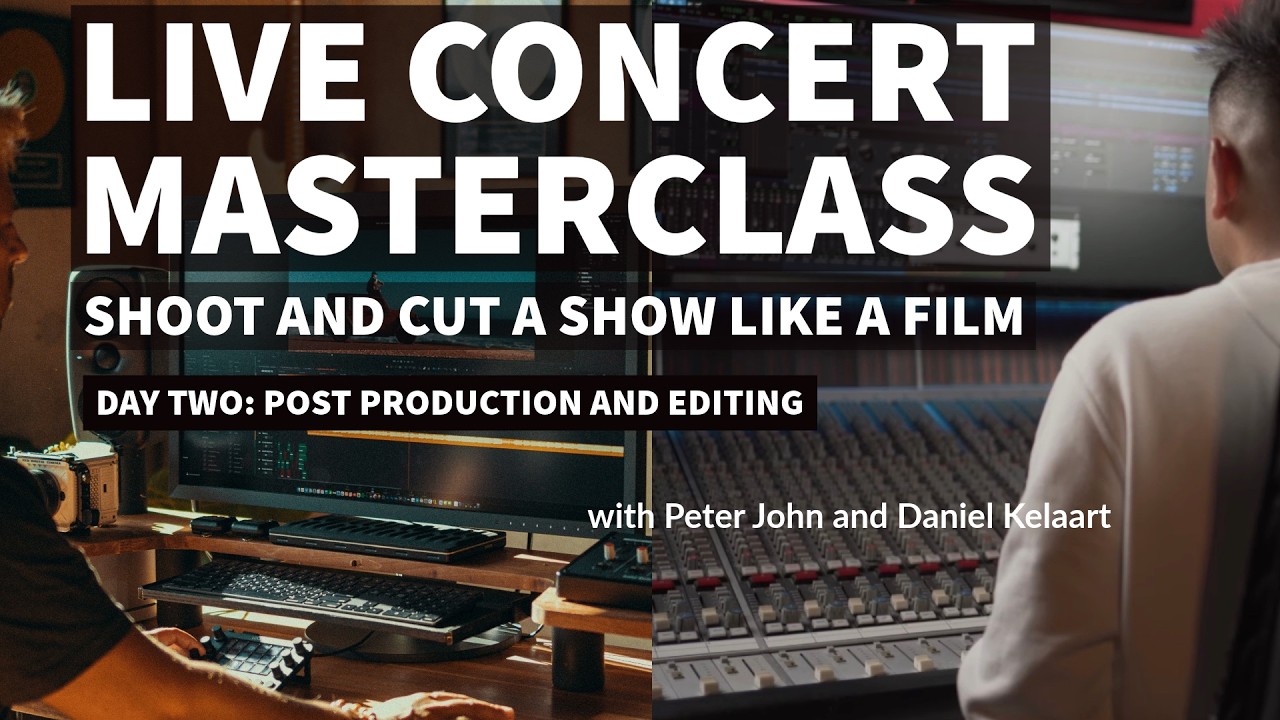
I spend most of my professional life in Photoshop, but every so often a project lands in my lap that pulls me outside that comfort zone. Last month it was a short promo film for a local Austin venue — three camera angles, live audio recorded on a Zoom H6, and the expectation that I’d stitch it into something that looked intentional. What I delivered was… fine. Functional. It looked exactly like what it was: a guy who edits graphics for a living pretending he knows how to cut video.

XPPen's Pilot Pro: Game-Changing Hardware for Serious Photo Editors

XPPen's Pilot Pro: Game-Changing Hardware for Serious Photo Editors

XPPen’s Pilot Pro: Game-Changing Hardware for Serious Photo Editors Look, I’ve seen a lot of editing peripherals come and go over the years. Some are genuinely useful. Others are expensive paperweights masquerading as “professional tools.” But XPPen’s new Pilot Pro creative editing console? I think they might’ve actually nailed something here. What Makes It Different The Pilot Pro isn’t just another keyboard with fancy buttons slapped onto it. XPPen has designed this thing specifically for the way modern creatives actually work—which means it’s built for Photoshop, Lightroom, and video editing software.