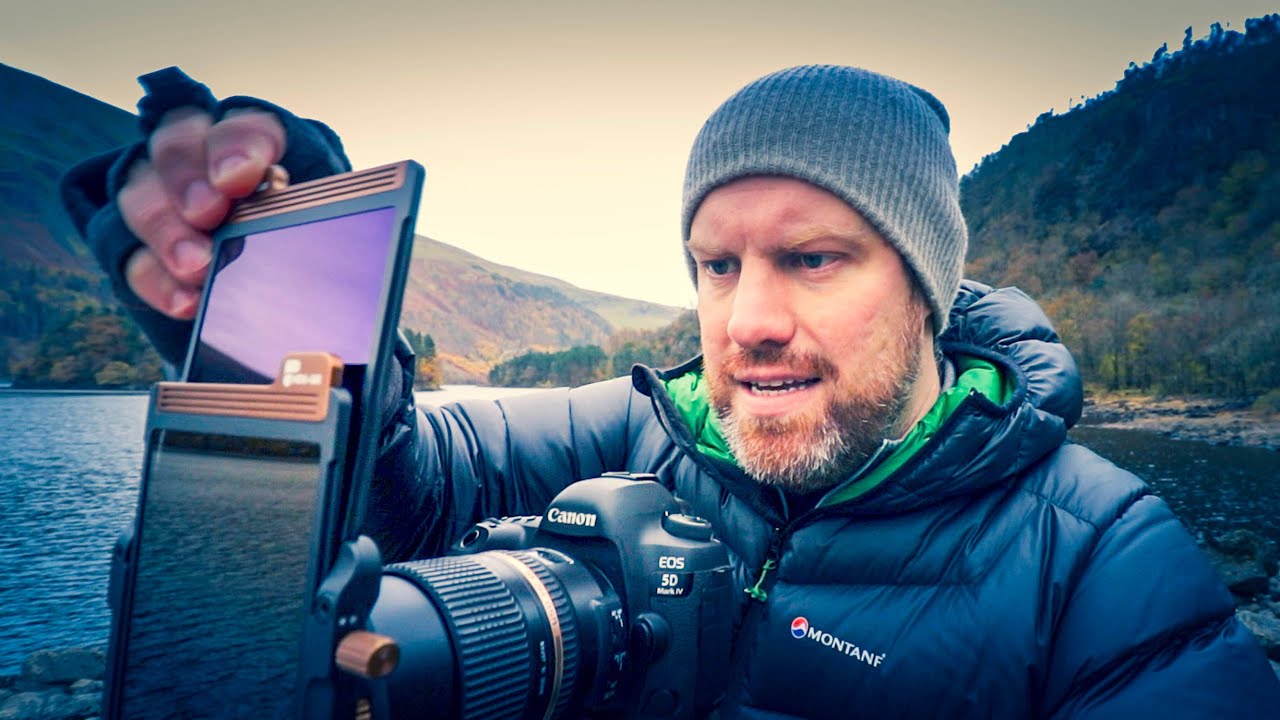
Why I've Been Sleeping on Physical Filters (And What Finally Changed My Mind)

Why I've Been Sleeping on Physical Filters (And What Finally Changed My Mind)

I’ll be honest: I’ve spent more time fixing color casts in Photoshop than I care to admit. You know the ones. That sickly green or magenta tint that creeps into a long exposure shot because you slapped a cheap ND filter on your lens and hoped for the best. Then you’re back at your desk in whatever coffee shop you’ve claimed for the day, burning 20 minutes with Hue/Saturation layers trying to un-ruin what was otherwise a perfectly good shot.

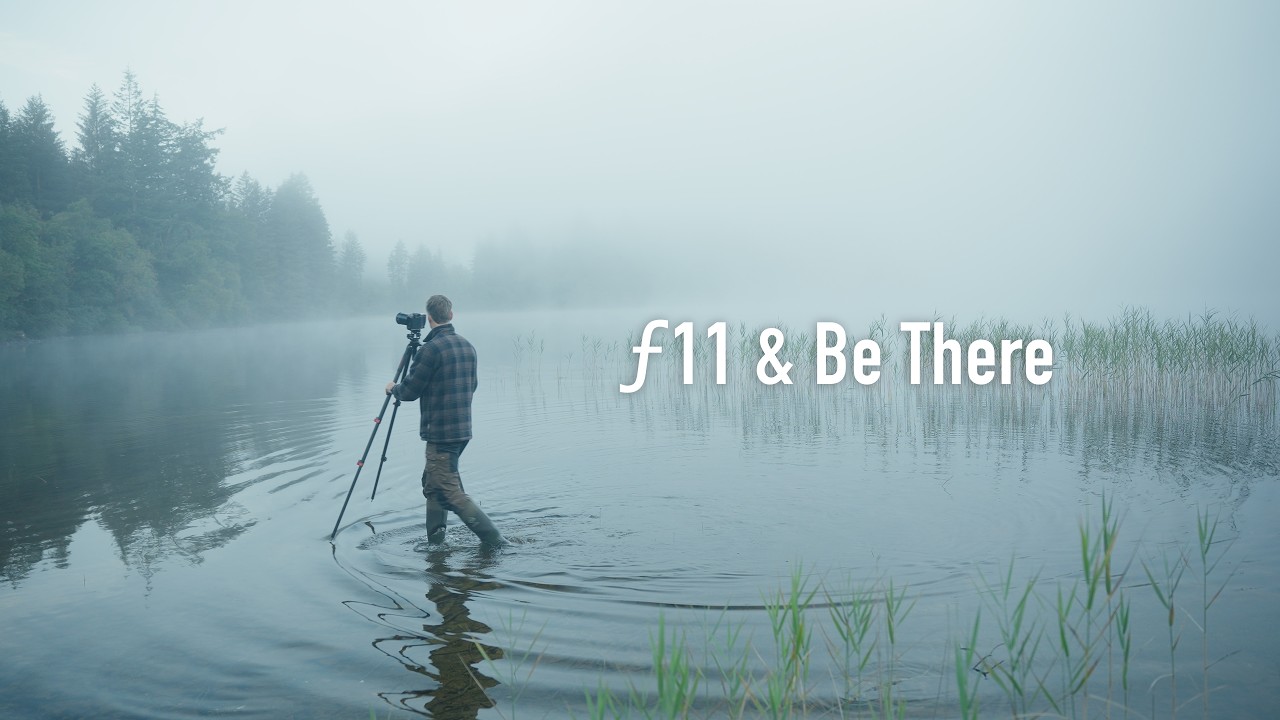
Time Blending vs. Long Exposure: Why Photographers Are Ditching the Single-Shot Approach

Time Blending vs. Long Exposure: Why Photographers Are Ditching the Single-Shot Approach

The Long Exposure Problem Nobody Talks About I’ve spent enough nights shooting traffic on dark roads to know the truth: getting a perfect light trail capture in a single long exposure is like winning the lottery. Sure, it looks simple in theory. Point, shoot, pray. But in reality, you’re battling sensor noise, motion blur that goes haywire, and those awkward gaps where no cars passed through your frame at the exact right moment.

When the Light Dies, You Adapt: Long Exposure Black and White Landscape Techniques from Thomas Heaton

When the Light Dies, You Adapt: Long Exposure Black and White Landscape Techniques from Thomas Heaton

There’s a moment every photographer knows. You’ve hiked to the spot, the scene is gorgeous, and then the wind picks up and kills any hope of a mirror-flat reflection. You either pack up or you adapt. I’ve packed up. I’ve also stood there like an idiot waiting for calm water that never came. What I hadn’t fully internalized until recently is that adapting isn’t a consolation prize — it’s a legitimate creative decision that the best landscape photographers make constantly, often producing stronger work than the original plan would have.

Why Your Long Exposure Shots Look Terrible (And the $30 Fix That Actually Works)

Why Your Long Exposure Shots Look Terrible (And the $30 Fix That Actually Works)

There’s a specific kind of frustration that hits when you’re standing next to a beautiful moving river, you know exactly what the shot should look like, and your camera just… refuses to cooperate. You want that silky, blurred water effect you’ve seen everywhere. Instead you get a sharp, flat, completely unromantic snapshot that looks like you were in a hurry to catch a bus. I’ve been there. Most photographers have.