When the Light Dies, You Adapt: Long Exposure Black and White Landscape Techniques from Thomas Heaton

When the Light Dies, You Adapt: Long Exposure Black and White Landscape Techniques from Thomas Heaton

There’s a moment every photographer knows. You’ve hiked to the spot, the scene is gorgeous, and then the wind picks up and kills any hope of a mirror-flat reflection. You either pack up or you adapt. I’ve packed up. I’ve also stood there like an idiot waiting for calm water that never came. What I hadn’t fully internalized until recently is that adapting isn’t a consolation prize — it’s a legitimate creative decision that the best landscape photographers make constantly, often producing stronger work than the original plan would have.

What Celebrity Magazine Retouching Actually Looks Like (And Why You Should Care)

What Celebrity Magazine Retouching Actually Looks Like (And Why You Should Care)

There’s a specific kind of humbling that happens when you’ve been doing Photoshop work for years and you still catch yourself believing a magazine cover is real. I’ve been editing photos since I was making graphics in MS Paint for my middle school friends, and I know how much work goes into a polished image. I know it intellectually. And yet, those high-gloss editorial shots still land differently in the gut than they should.

How to Actually Find and Shoot Waterfall Photos (Instead of Just Driving to Obvious Ones)

How to Actually Find and Shoot Waterfall Photos (Instead of Just Driving to Obvious Ones)

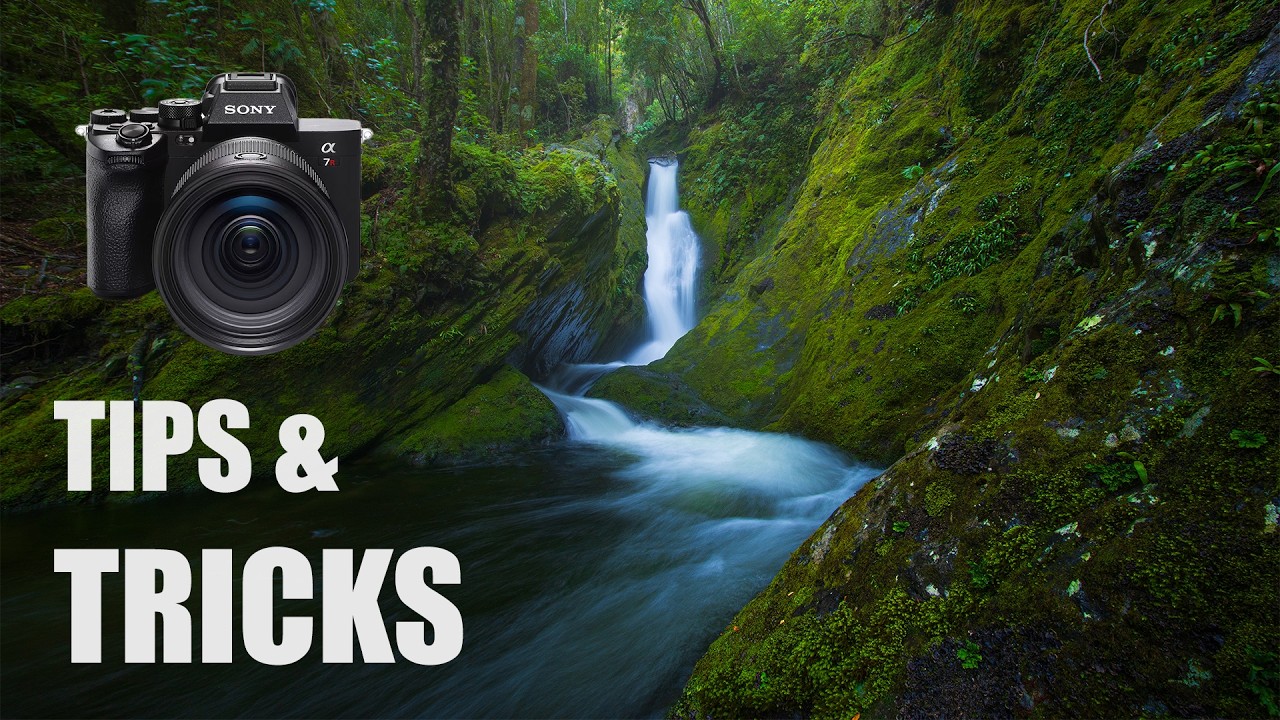
Most of my Photoshop work lives in the post-processing phase. I’m the guy who gets handed a raw file and is expected to make something beautiful out of it, which means I’ve developed a pretty warped view of photography. I tend to underestimate how much the shot itself matters because, hey, I can fix it in post, right? Wrong. Embarrassingly wrong, actually. The more time I spend working on landscape files, the more I realize that the photographers who give me the cleanest, most intentional raw files to work with are the ones who thought hard about composition before they ever touched a shutter button.

Stop Waiting for Perfect Light — Shoot Wide Open Instead

Stop Waiting for Perfect Light — Shoot Wide Open Instead

There’s a specific kind of creative block I run into about once a month. I’ve got a shoot, I’ve got a location, and nothing looks interesting. I’m staring at perfectly fine subject matter thinking “this is fine” while producing work that is, in fact, extremely fine. Mediocre. Safe. The kind of stuff that fills a hard drive and never sees the light of a portfolio. The fix, more often than not, isn’t a new plugin or a fancier Photoshop technique.