The Art of Making People Look Better Than They Actually Are

The Art of Making People Look Better Than They Actually Are

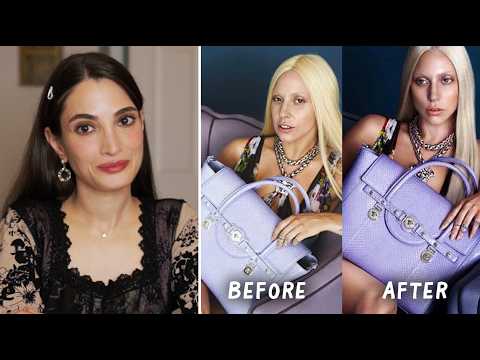
The Art of Making People Look Better Than They Actually Are Listen, we’ve all been there. Your friend sends you a photo from their vacation and asks if you can “just fix it up a little bit.” What they really mean is: “Can you make me look like I haven’t been awake for 36 hours and surviving on airport snacks?” Photo manipulation gets a bad rap—mostly from people who’ve seen those aggressively filtered Instagram pics where someone’s skin looks like a porcelain doll that came to life in a horror movie.

The Dark Art of Photo Manipulation: Making People Look Better Than They Have Any Right To

The Dark Art of Photo Manipulation: Making People Look Better Than They Have Any Right To

The Dark Art of Photo Manipulation: Making People Look Better Than They Have Any Right To Look, I’m not going to pretend that photo manipulation is some noble pursuit. It’s basically digital lying. But it’s fun lying, and honestly, everyone’s doing it. Your Instagram influencer crush? Manipulated. That family photo where everyone actually looks happy? Manipulated. That picture of your breakfast that got 47 likes? Okay, probably not manipulated, but it should have been.

The Dark Art of Photo Manipulation: Making People Look Better Than They Actually Are

The Dark Art of Photo Manipulation: Making People Look Better Than They Actually Are

The Dark Art of Photo Manipulation: Making People Look Better Than They Actually Are Let’s be honest—we’re all here because reality is sometimes disappointing. Your client’s product photos are too dark. Your portrait subject has a mysterious third chin they swear isn’t usually there. The sunset you drove two hours to photograph looks about as inspiring as a spreadsheet. Enter photo manipulation: the noble art of making things look better without making them look obviously fake.