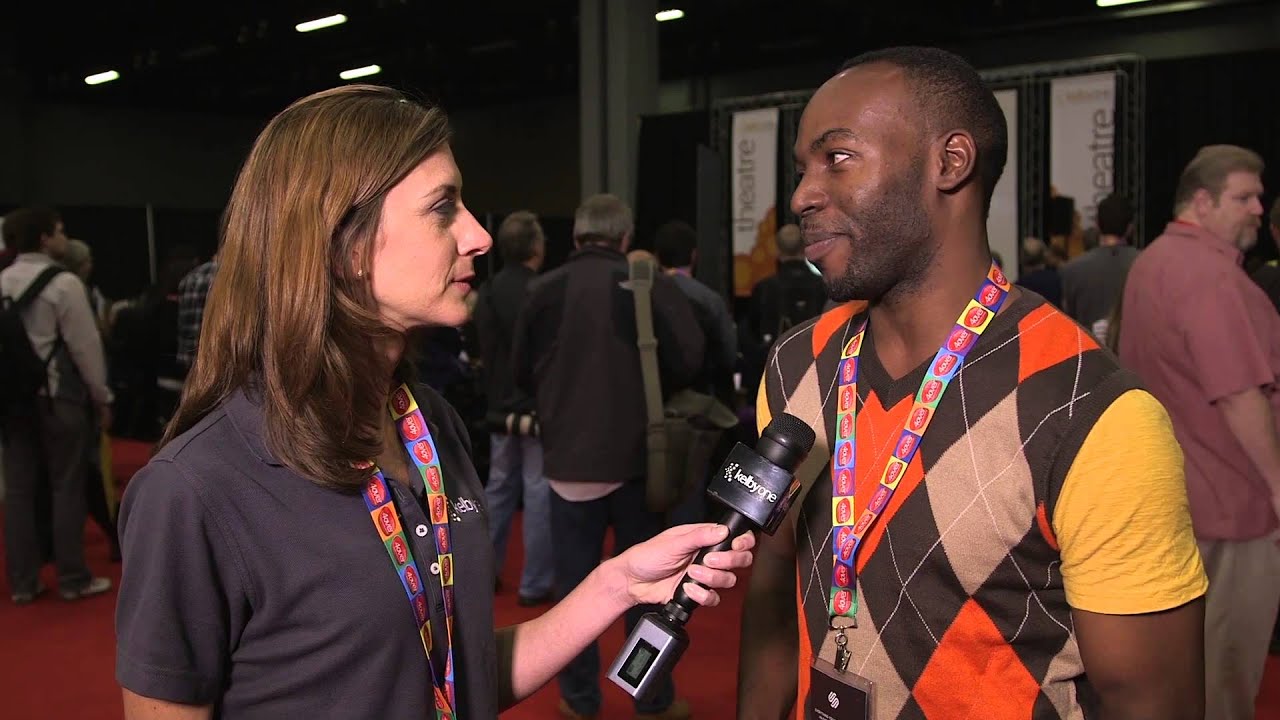
There’s a specific kind of overwhelm that hits you when you walk into a room full of people who are all dramatically better at your craft than you are. It’s equal parts terrifying and addictive. I felt it the first time I stumbled into a design meetup in Austin, surrounded by people casually discussing techniques I’d never heard of, and I’ve been chasing that feeling ever since. That’s exactly what comes through in Watch the full tutorial on YouTube - a short but genuinely compelling interview from KelbyOne featuring Kim Roy White, a freelance photographer who showed up to Photoshop World for the first time and somehow left with a Canon 5D Mark III.
What makes this video worth more than a quick watch is what Kim describes between the lines. He’s not a beginner pretending to be lost. He’s a working photographer who shoots on a 6D, watches tutorials on YouTube, buys courses online, and still found himself completely floored by what a concentrated environment of instruction and inspiration can do to your perspective. If you’ve ever spent three days grinding through a technique solo that a single conversation could have unlocked in twenty minutes, you already understand the argument this video is quietly making.
The interview is short, but it packs in something useful for anyone trying to grow as a creative professional. So here’s what I pulled from it, expanded into the actual lessons Kim was pointing at even when he didn’t have the words right in front of him.
Step 1: Enter Competitions Even When You Think You Won’t Win
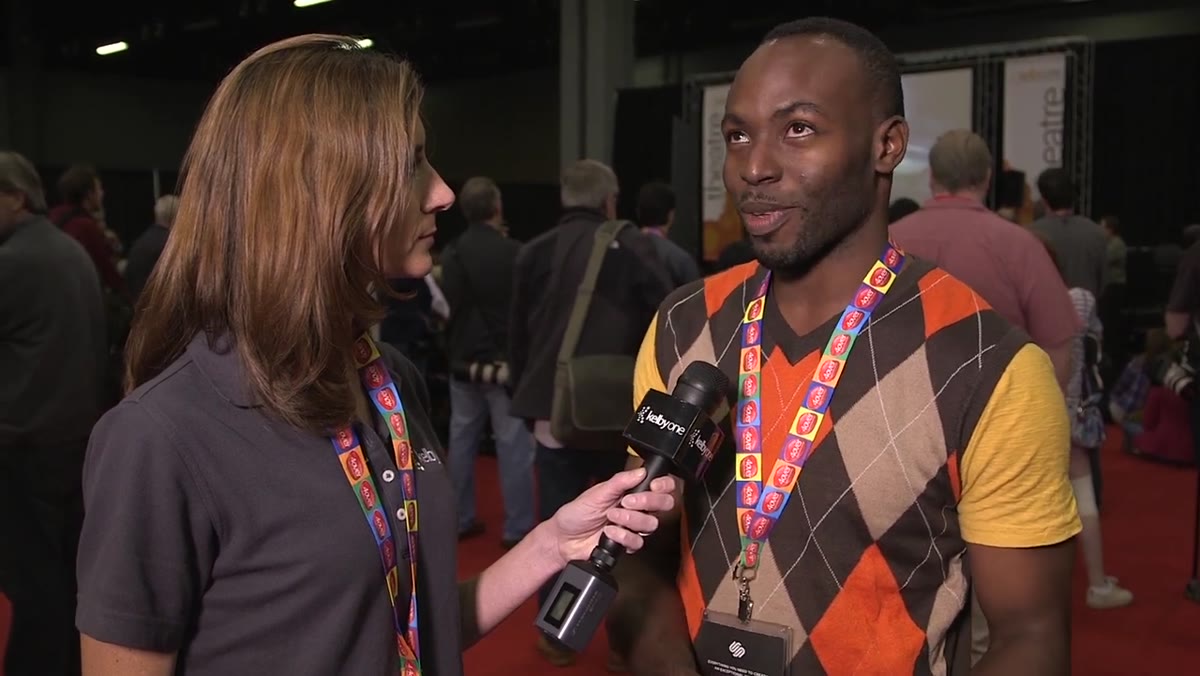 Kim describing his surprise at winning among 120 entries
Kim entered a Canon Live Studio model shoot competition at the conference. Around 120 photos were submitted. He describes seeing his photo make the final cut as “scary,” and then hearing the room go wild during the keynote as something he genuinely didn’t expect. That’s the thing about creative competitions inside learning environments - the judges aren’t just looking for technical perfection. They’re looking for something that stops a room. If you’ve been avoiding competitions because you’ve already talked yourself out of winning, you’re doing the math wrong. Enter anyway. The worst outcome is that you get a benchmark for where your work currently sits.
Kim describing his surprise at winning among 120 entries
Kim entered a Canon Live Studio model shoot competition at the conference. Around 120 photos were submitted. He describes seeing his photo make the final cut as “scary,” and then hearing the room go wild during the keynote as something he genuinely didn’t expect. That’s the thing about creative competitions inside learning environments - the judges aren’t just looking for technical perfection. They’re looking for something that stops a room. If you’ve been avoiding competitions because you’ve already talked yourself out of winning, you’re doing the math wrong. Enter anyway. The worst outcome is that you get a benchmark for where your work currently sits.
Step 2: Use Conferences to Meet the People Behind the Tutorials
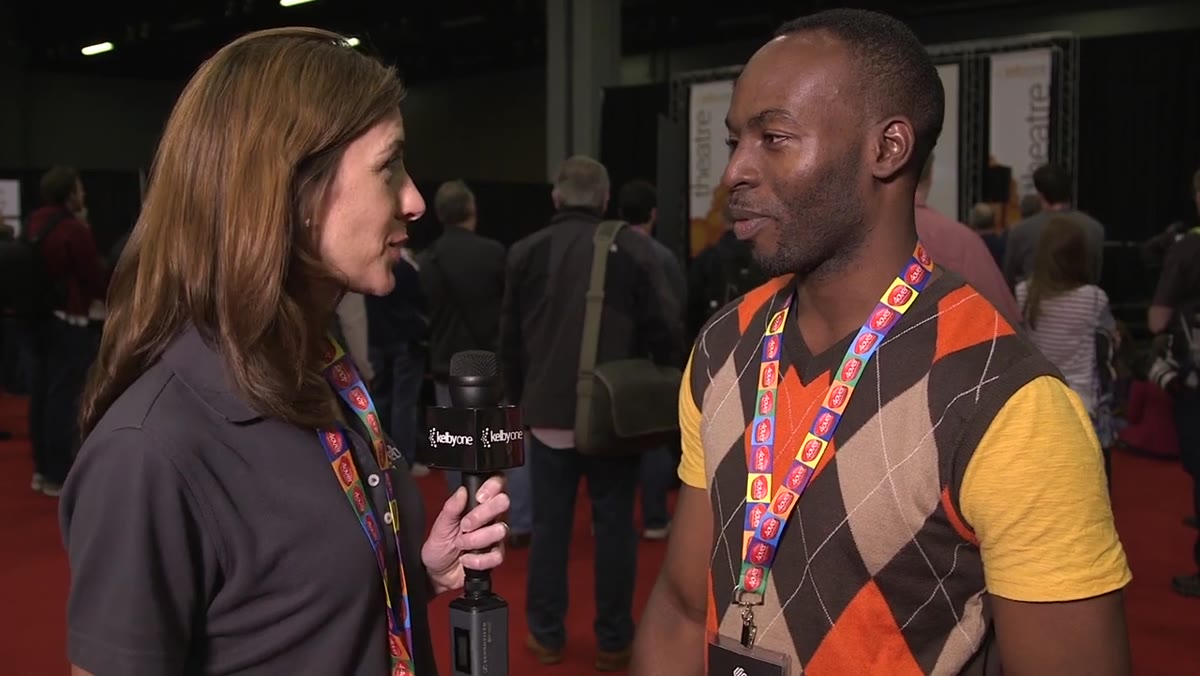 Kim listing instructors he recognized and met in person
Kim rattles off a list of names - Scott, Joey, Jim, Peter Hurley - people he knew from YouTube and online courses before he ever set foot in the building. He describes meeting them in person as a completely different experience from watching their content. This is something I’d push back on if it weren’t so consistently true. There’s a reason I still remember a two-minute hallway conversation about compositing more clearly than I remember entire courses I’ve paid for. When you meet an instructor and ask one specific question about your specific problem, the answer sticks in a way that passive watching rarely achieves.
Kim listing instructors he recognized and met in person
Kim rattles off a list of names - Scott, Joey, Jim, Peter Hurley - people he knew from YouTube and online courses before he ever set foot in the building. He describes meeting them in person as a completely different experience from watching their content. This is something I’d push back on if it weren’t so consistently true. There’s a reason I still remember a two-minute hallway conversation about compositing more clearly than I remember entire courses I’ve paid for. When you meet an instructor and ask one specific question about your specific problem, the answer sticks in a way that passive watching rarely achieves.
Step 3: Let the Overwhelm Work For You Instead of Against You
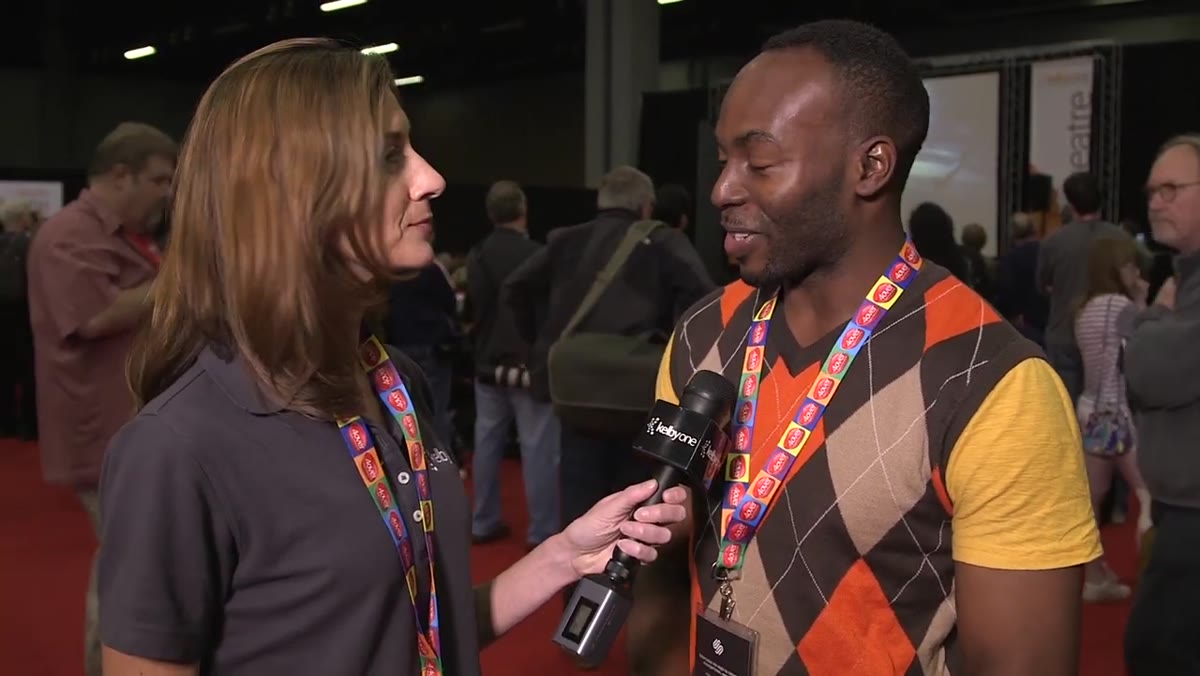 Kim describing the volume of classes and content available
Kim uses the word “overwhelming” twice in the first thirty seconds of his interview, and he doesn’t mean it as a complaint. He means it the way you mean it when you walk into a bookstore and realize there are entire shelves of things you didn’t know existed. Photoshop World runs classes across a wide range of skill levels simultaneously. That means whether you’re still figuring out layer masks or you’re deep into compositing workflows, there’s a track for you. The move is not to try to absorb everything. The move is to pick two or three sessions that target your actual weak spots and go deep on those.
Kim describing the volume of classes and content available
Kim uses the word “overwhelming” twice in the first thirty seconds of his interview, and he doesn’t mean it as a complaint. He means it the way you mean it when you walk into a bookstore and realize there are entire shelves of things you didn’t know existed. Photoshop World runs classes across a wide range of skill levels simultaneously. That means whether you’re still figuring out layer masks or you’re deep into compositing workflows, there’s a track for you. The move is not to try to absorb everything. The move is to pick two or three sessions that target your actual weak spots and go deep on those.
Step 4: Treat New Equipment Exposure as Part of Your Education
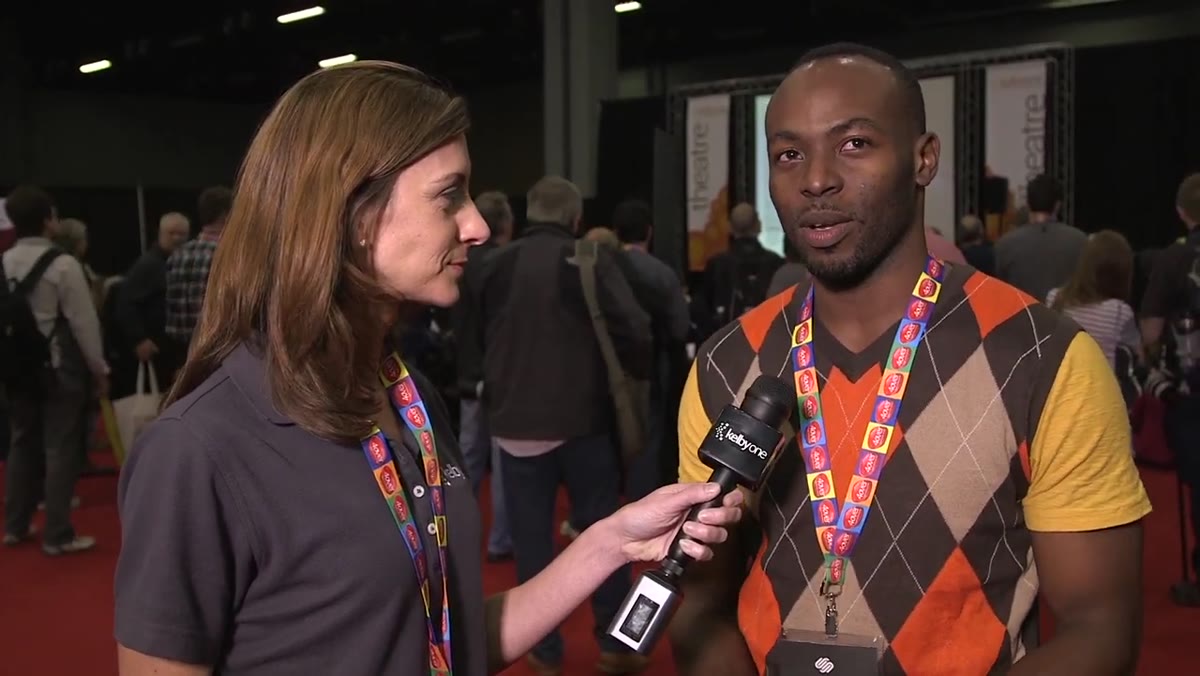 Kim mentioning new equipment and brochures from the conference
Kim specifically calls out new equipment as one of the tangible things he’s taking home from the conference. Not just the camera he won, but the awareness of gear he hadn’t considered before. Conferences like Photoshop World typically have vendor floors and live demos that let you put your hands on tools before you spend money on them. For a freelance photographer or designer working with real budget constraints, that hands-on exposure is genuinely valuable. Knowing what a piece of gear actually feels like to use is different from reading specs online.
Kim mentioning new equipment and brochures from the conference
Kim specifically calls out new equipment as one of the tangible things he’s taking home from the conference. Not just the camera he won, but the awareness of gear he hadn’t considered before. Conferences like Photoshop World typically have vendor floors and live demos that let you put your hands on tools before you spend money on them. For a freelance photographer or designer working with real budget constraints, that hands-on exposure is genuinely valuable. Knowing what a piece of gear actually feels like to use is different from reading specs online.
Step 5: Revisit Techniques You Think You Already Know
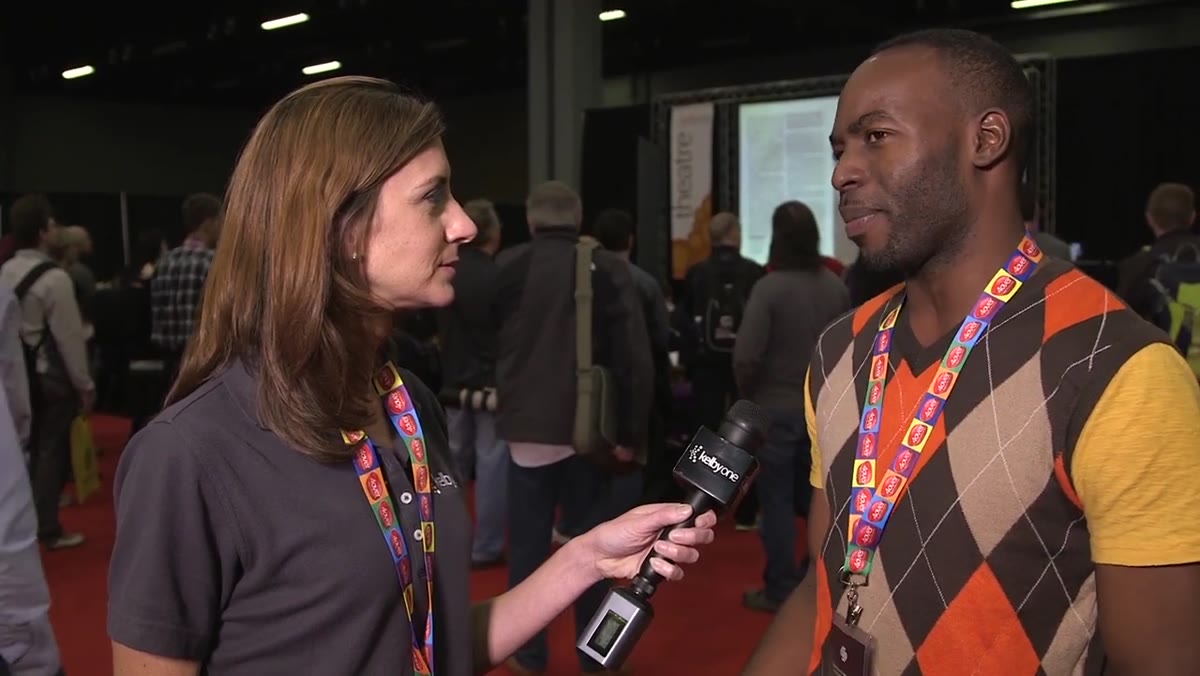 Kim noting he learned techniques he’d seen before but needed a refresh on
This is the sleeper point in Kim’s interview and probably the most practically useful one. He says he learned techniques at the conference that he’d encountered before, but the in-person context refreshed them in a way that made them actually land. I’ve had this experience more times than I want to admit. There are keyboard shortcuts I “knew” for years before I watched someone use them in context and suddenly understood why they mattered. Repetition in a new environment often does what repetition in the same environment can’t.
Kim noting he learned techniques he’d seen before but needed a refresh on
This is the sleeper point in Kim’s interview and probably the most practically useful one. He says he learned techniques at the conference that he’d encountered before, but the in-person context refreshed them in a way that made them actually land. I’ve had this experience more times than I want to admit. There are keyboard shortcuts I “knew” for years before I watched someone use them in context and suddenly understood why they mattered. Repetition in a new environment often does what repetition in the same environment can’t.
Step 6: Recognize That Community Is a Skill-Building Tool
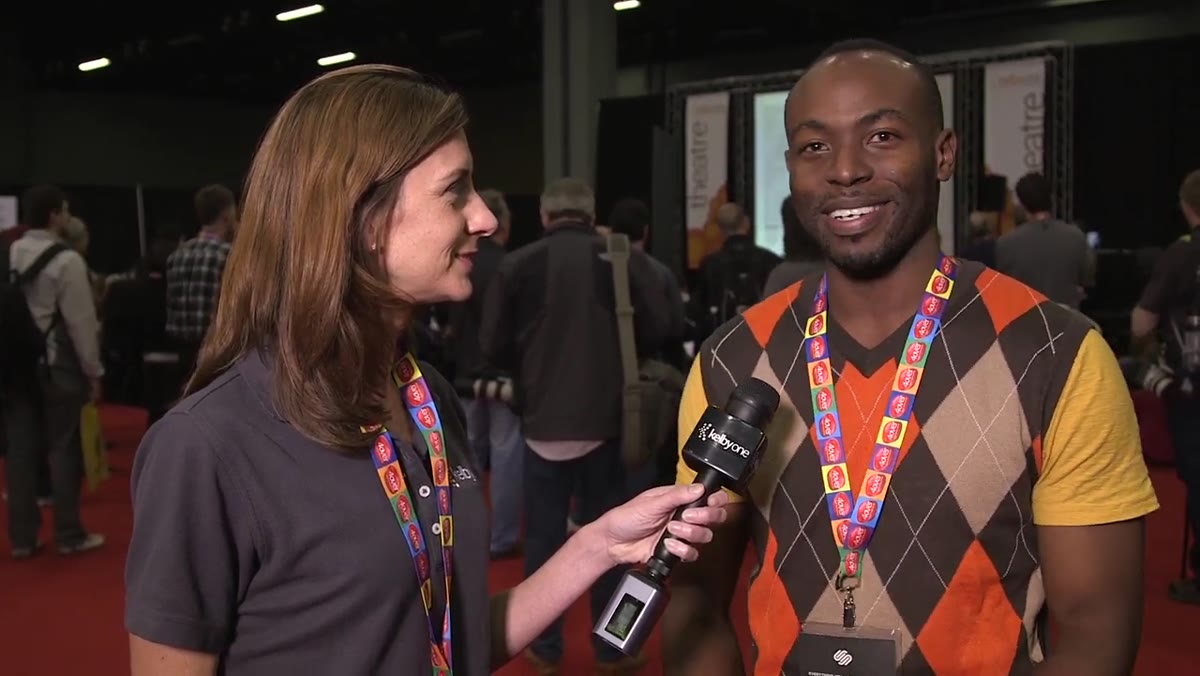 Kim describing the inspiration from people around him
Kim keeps circling back to the people. The instructors, the other photographers, the energy in the room. He describes it as inspiration, which is real, but there’s a more concrete layer underneath it. When you’re surrounded by people who take their craft seriously, you recalibrate what “serious” looks like. Your baseline shifts. That shift doesn’t disappear when the conference ends. You carry it back to your desk, your coffee shop setup, your client calls, and it quietly raises the floor on what you’re willing to accept from your own work.
Kim describing the inspiration from people around him
Kim keeps circling back to the people. The instructors, the other photographers, the energy in the room. He describes it as inspiration, which is real, but there’s a more concrete layer underneath it. When you’re surrounded by people who take their craft seriously, you recalibrate what “serious” looks like. Your baseline shifts. That shift doesn’t disappear when the conference ends. You carry it back to your desk, your coffee shop setup, your client calls, and it quietly raises the floor on what you’re willing to accept from your own work.
What I’d Add From My Own Experience
The thing Kim’s interview doesn’t say explicitly but absolutely implies is that isolation is expensive. I spent a huge chunk of my early freelance career learning everything alone, watching tutorials in a vacuum, never really knowing if I was improving or just getting more comfortable with my bad habits. The first time I got into a room with other designers and photographers who were willing to talk shop, the pace of improvement changed noticeably. It wasn’t magic. It was just faster feedback and better questions.
If Photoshop World feels like a big commitment, start smaller. Find a local meetup, join an active online community where people actually critique each other’s work, or sign up for a live workshop where you can ask questions in real time. The format matters less than the contact with other people who are trying to get better at the same things you are.
The single biggest takeaway from this video is the simplest one: Kim showed up, entered a competition he didn’t expect to win, paid attention, and left with a dream camera and a head full of new directions to explore. Showing up is the technique.
Watch the full tutorial on YouTube
Comments (1)
Shared this with my photography group. Everyone loved it.
Leave a Comment