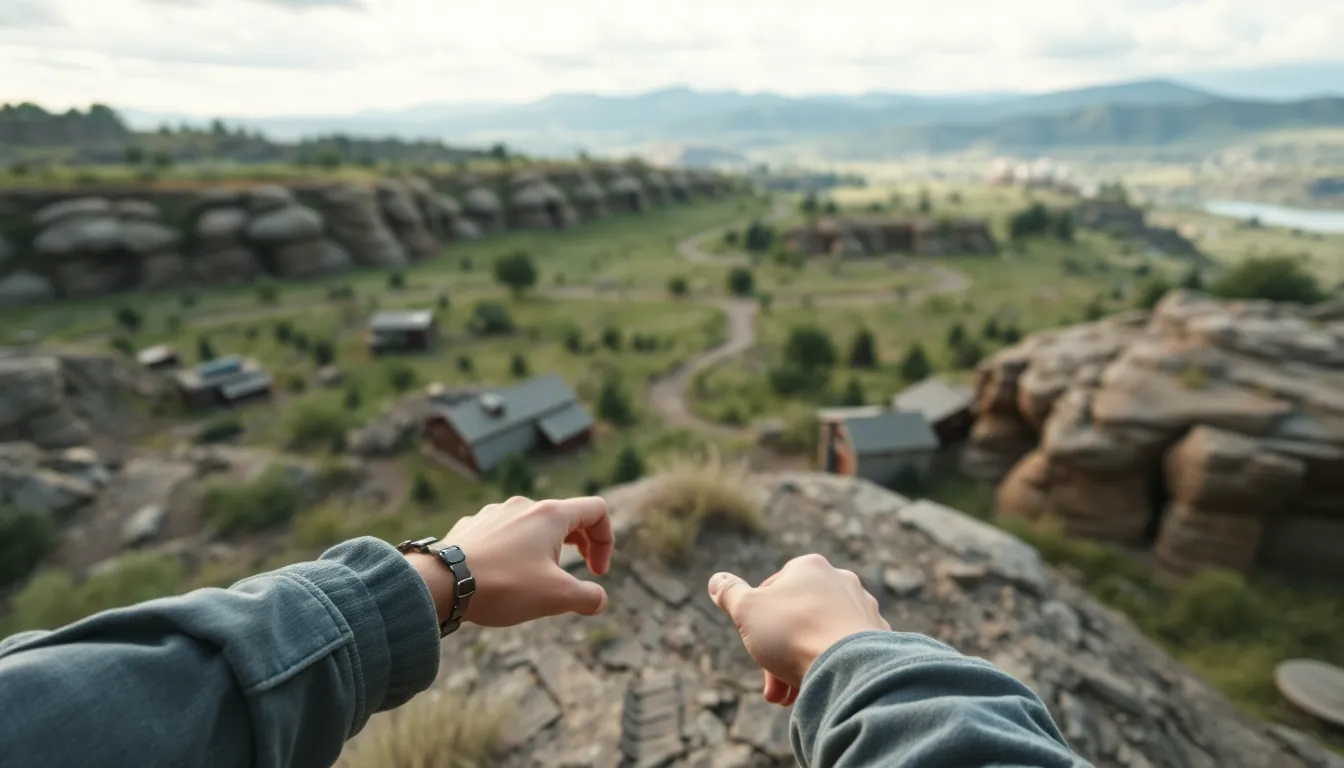
The Photoshop-Plus Movement Is Real
I’ve been watching a fascinating trend unfold in the digital art community, and honestly, it’s blowing my mind. Game artist Xingkong has cracked something interesting: the sweet spot between Unreal Engine 5’s raw rendering power and Photoshop’s refinement capabilities. And it’s not just a flex—it’s a genuinely smart workflow that’s worth understanding if you’re serious about creating atmospheric, compelling digital art.
The Core Idea: Let the Engines Do What They’re Built For
Here’s the thing most of us miss: Unreal Engine 5 is stupid good at generating complex lighting, reflections, and volumetric effects in real-time. Meanwhile, Photoshop excels at the artistic tweaks, color grading, and those human touches that make a piece sing. Why force one tool to do everything when you can leverage both?
Xingkong’s approach is refreshingly practical. Rather than treating Unreal and Photoshop as competing platforms, he uses them as teammates. He builds the foundational scene in Unreal—the geometry, lighting setup, atmospheric elements—then exports it into Photoshop where the real artistic magic happens. It’s like getting a perfectly lit sketch, then painting over it with confidence.
What This Means for Your Workflow
If you’re already neck-deep in Photoshop, this is a game-changer (pun intended). It means:
You can spend less time wrestling with manual effects that Unreal renders automatically. No more painstaking shadow work or glow effects when an engine can generate them in seconds.
Your Photoshop work becomes more intentional. You’re not problem-solving technical issues—you’re making creative choices. Color grades, artistic overlays, mood adjustments. The fun stuff.
Atmospheric depth becomes achievable. Those moody, cinematic scenes everyone drools over? They’re suddenly within reach when you’re layering Unreal’s volumetric lighting with Photoshop’s adjustment flexibility.
The Catch
Let’s be real: this workflow requires learning both platforms at a decent level. You can’t just dabble. But if you’re already comfortable in Photoshop and willing to spend time understanding Unreal’s export pipeline, you’re looking at a legitimate efficiency boost plus better-quality results.
The Takeaway
The future of digital art isn’t “Photoshop vs. game engines.” It’s smart tool integration. Xingkong’s proving that the artists winning right now aren’t choosing between platforms—they’re building hybrid workflows that play to each tool’s strengths.
If you’ve been dismissing game engines as “not real art tools,” it’s time to reconsider. The best tool is the one that gets you to your vision fastest. Sometimes that’s two tools working in tandem.
Comments
Leave a Comment