
Building a portfolio is the thing every photographer knows they need to do and almost nobody actually does. I’ve had the same five images on a placeholder “coming soon” page for longer than I’m willing to admit. Between client work, actual shooting, and my standing policy of never working from home, somehow the portfolio always ends up last. So when Scott Kelby and Erik Kuna dedicated a chunk of their latest episode of The Grid to both dissecting winning photography AND previewing a new AI-powered portfolio tool, I stopped what I was doing (a cold brew, a corner table, the usual) and paid attention.
Watch the full tutorial on YouTube
In this KelbyOne episode, episode 713 of The Grid, Scott and Erik reveal the finalists, winner, and honorable mentions from the 18th Annual Worldwide Photo Walk – the annual event where photographers around the world go out on the same day and shoot their local environments. What makes this episode genuinely useful, beyond the announcement itself, is how Scott and Erik break down WHY certain images won. They’re not just pointing and clapping. They’re talking about light, timing, gesture, composition, and the specific quality that separates a good photo from one that stops you cold. Then Kevin LaRue from SlickPic comes in to show off something that Scott calls a genuine game-changer for how he teaches photography. That’s not throwaway hype. Here’s what went down.
Step 1: Understand What the Worldwide Photo Walk Is Actually Testing
 Scott Kelby announcing 18th annual worldwide photo walk winners
The Photo Walk isn’t a gear competition. It’s not about who has the fastest lens or the most expensive body. The whole premise is that every participant walks the same amount of time, in their own city, on the same day. What you’re being judged on is your eye, your timing, and your ability to find something interesting in a completely ordinary moment. Scott frames the judging around a core question: does this image make you stop? Not “is it technically correct” – does it actually arrest your attention.
That’s the standard he and Erik apply when walking through the finalists, and it’s worth internalizing as a framework any time you’re culling your own work. Technical perfection without visual interest is a dead end.
Step 2: Identify What “Great Light” Actually Means in a Walk Scenario
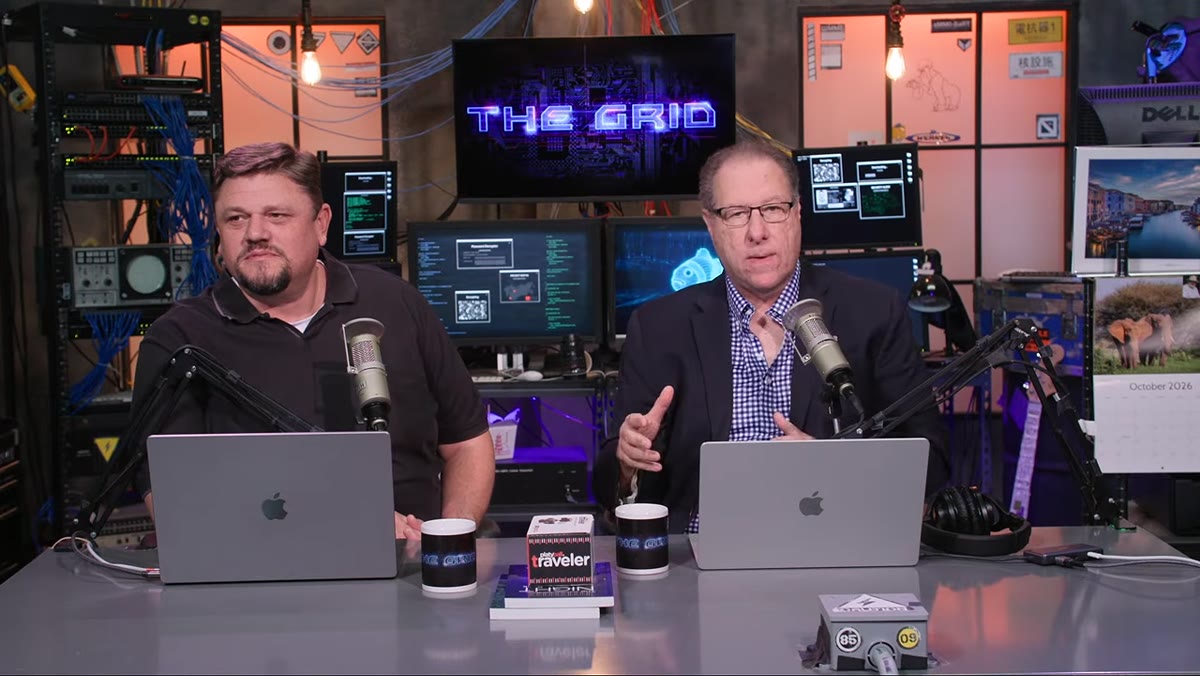 Finalists images displayed during walkthrough discussion
Scott and Erik go image by image through the finalists and the conversation keeps circling back to light – not golden hour light specifically, but light that creates dimension. In a street or documentary context where you’re not setting up strobes or reflectors, you’re hunting for existing light that does something interesting: creates separation between subject and background, wraps around a face, or throws a hard shadow that becomes part of the composition.
The takeaway for your own shooting is to train yourself to see light direction before you see the subject. If the light is flat and directionless, the subject has to work a lot harder to carry the image. When the light is doing something, even a mundane subject becomes compelling.
Step 3: Recognize the Role of Gesture and Timing
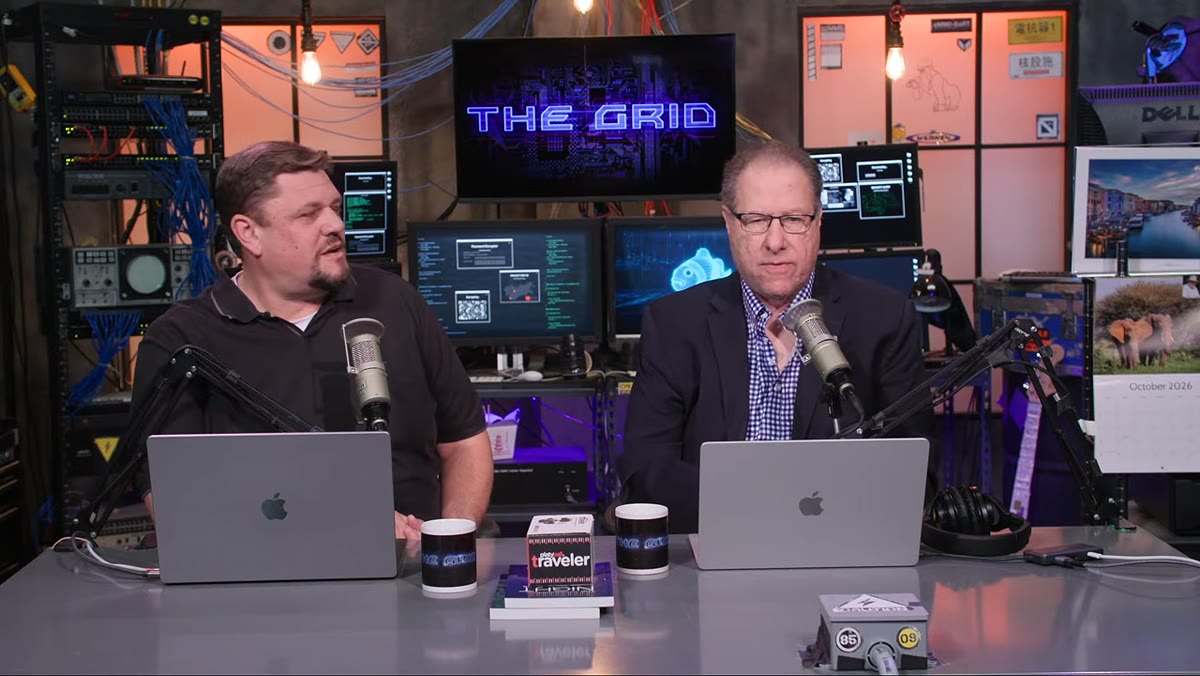 Discussion of timing and gesture in winning images
This is where the conversation gets specific and useful. Several of the top images succeeded because of a split-second gesture – a turn of the head, an outstretched arm, a moment of laughter caught just before it became a blur. Scott makes the point that in street photography especially, timing IS the technique. You can have perfect exposure, great light, and a solid composition, and still miss the shot by half a second.
The practical habit here is shooting in bursts when you sense a moment building, then being ruthless in the cull. Most photographers keep too many frames from a burst. Keep the one where the gesture peaks, delete the rest.
Step 4: Look for Something Unique in an Everyday Scene
 Honorable mention images shown with commentary
Scott and Erik spend real time on what separated the honorable mentions from the top finalists. The honorable mentions were often well-executed, technically solid images of things that felt familiar. The finalists and winner tended to have one element that felt specific – a detail or angle or juxtaposition that you couldn’t have predicted before you saw it.
This isn’t about being weird for weirdness’s sake. It’s about resisting the first composition your eye goes to. When you find a scene, shoot your obvious take, then ask yourself what’s actually interesting here that isn’t obvious. Walk around. Change your height. The unique shot is usually a few steps away from the predictable one.
Step 5: The Charity Component – Why It Matters to the Event’s Culture
 Scott mentions Springs of Hope Kenya fundraising results
The Worldwide Photo Walk raised money for Springs of Hope Kenya this year, and Scott mentions it not as a footnote but as central to what gives the event meaning. It’s worth noting because it reframes what participation in something like this is actually for. You’re not just shooting for a prize. The community element – thousands of photographers going out on the same day, in every time zone – is itself the point, and the charitable component gives it weight beyond personal achievement.
Step 6: SlickPic Open Portfolios – AI That Solves the Portfolio Problem
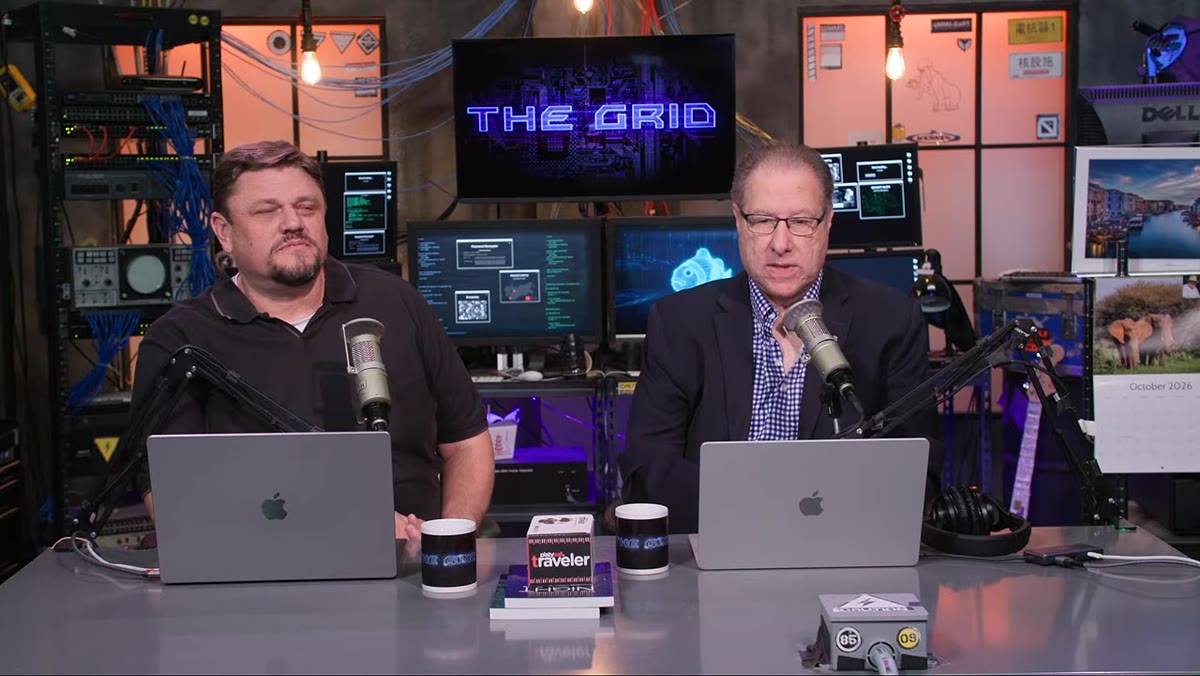 Kevin LaRue from SlickPic joins to preview Open Portfolios tool
Kevin LaRue from SlickPic joins to demo Open Portfolios, a new free tool that uses AI to analyze your existing photo library, organize images intelligently, and build a complete portfolio website from your own work. Scott’s reaction – that this is going to change what he teaches – is the tell. This isn’t a pretty template builder. The AI does the organizational heavy lifting that most photographers either procrastinate on forever or pay someone else to handle.
The practical implication: you connect your library, the AI reads your images, groups them coherently, and surfaces a portfolio structure that actually reflects your body of work rather than whatever ten images you happened to upload three years ago. For anyone who’s been sitting on a “coming soon” page (hi), this is the thing that removes the excuse.
What I’d Add From My Own Experience
Here’s the thing nobody tells you about portfolio paralysis: it’s not laziness, it’s decision fatigue. When you have thousands of images, choosing which ones define you is genuinely hard. I’ve watched friends spend entire weekends reorganizing their Lightroom catalogs instead of actually building the portfolio page. The appeal of a tool that makes the first cut for you – using AI that actually understands image content rather than just file dates – is that it breaks the inertia. You can always override what it picks. But having a starting point that isn’t a blank page changes everything about how the project feels.
The same logic applies to what Scott and Erik are teaching about the Photo Walk images. The best photographs often come from photographers who made a first obvious choice, then pushed past it. The AI portfolio tool and the Photo Walk winners are pointing at the same underlying skill: the willingness to go one step further than the comfortable default.
The single most important thing from this episode: a great photograph makes you stop, and knowing WHY it stops you – light, gesture, timing, uniqueness – is a teachable, learnable skill. The Photo Walk is an annual reminder that you don’t need an exotic location to find that moment. You just need to stay curious about the ordinary.
Watch the full tutorial on YouTube
Comments
Leave a Comment