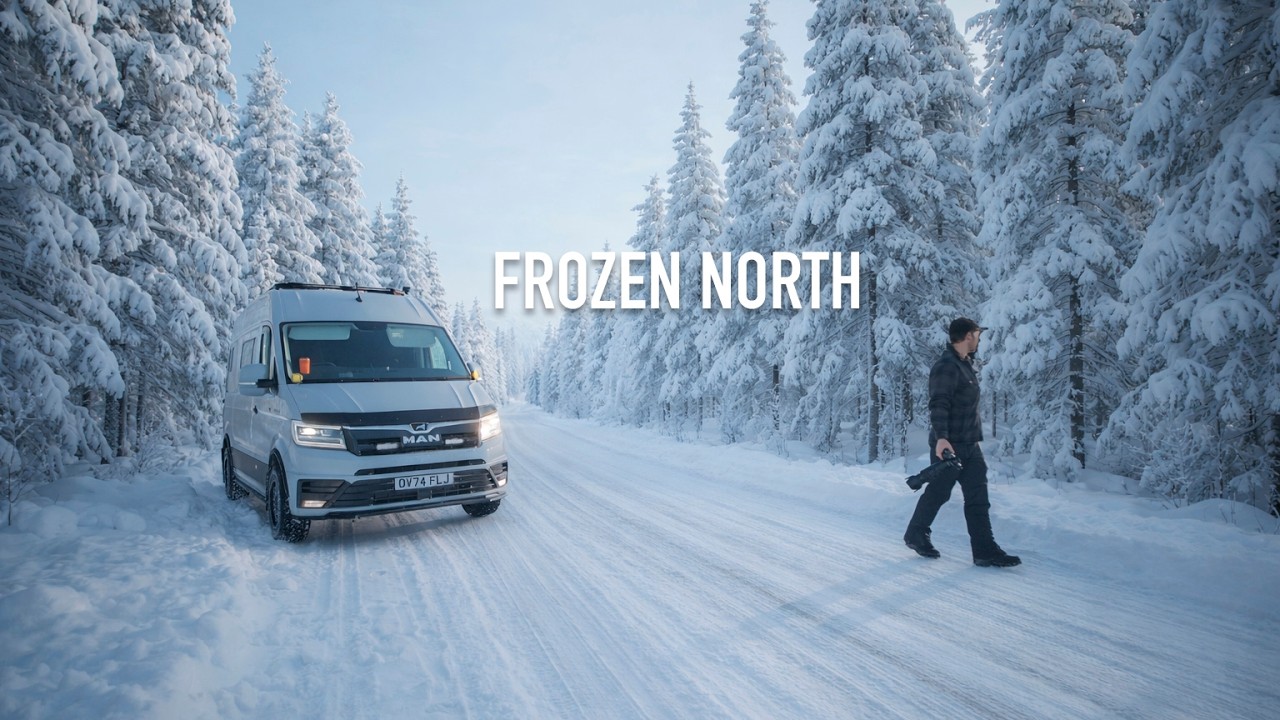
There’s a particular kind of photography problem I run into constantly as someone who mostly works in digital design: I can make anything look incredible in Photoshop, but I sometimes forget that the real work happens before you ever open the app. Getting the shot right in-camera, in conditions that are actively trying to kill you, is a skill set of its own. That’s why I keep coming back to field photographers like Thomas Heaton, whose work is less about post-processing wizardry and more about showing up, reading light, and committing to the moment.
In this Thomas Heaton tutorial, he’s deep in the Swedish Arctic, driving a self-built camper van at temperatures hitting minus 33°C, hunting for frozen trees worth photographing. It sounds like the setup for a survival documentary, but what you actually get is a masterclass in reactive field photography. No studio. No controlled conditions. Just a photographer making good decisions under pressure. Watch the full tutorial on YouTube
The techniques here apply whether you’re shooting frozen birch trees in Lapland or frost-covered oaks in a park two miles from your house. Light is light. Composition is composition. The Arctic just makes the stakes more obvious.
Step 1: Stop the Van and Trust Your Instincts
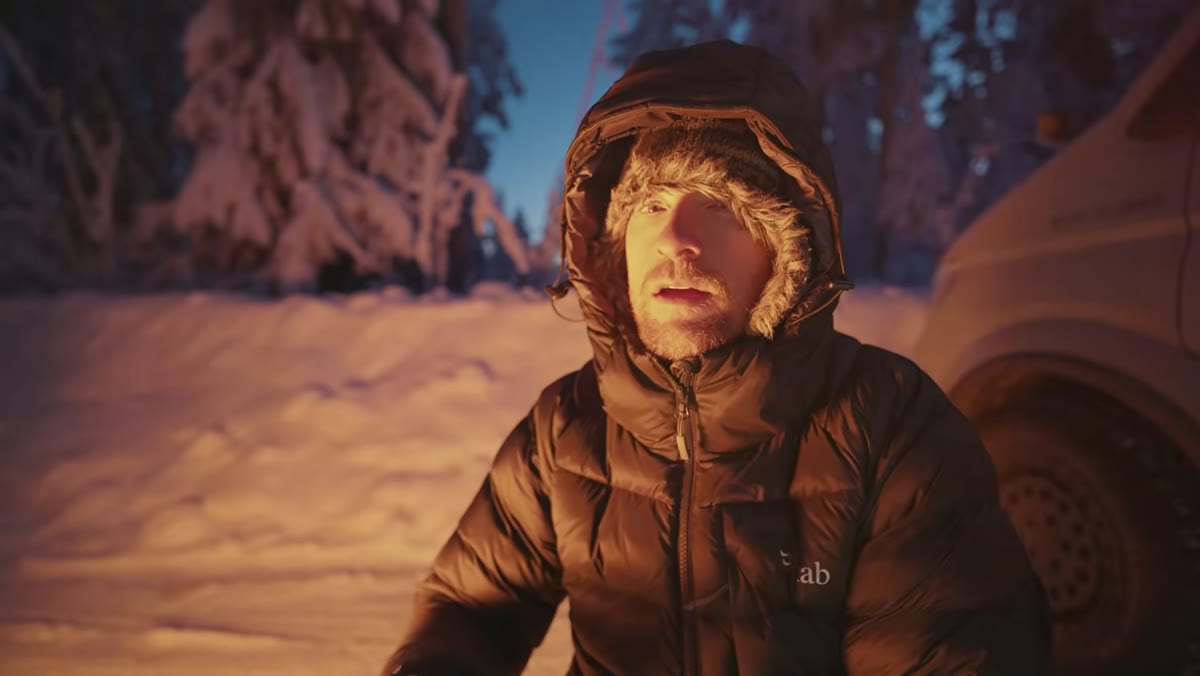
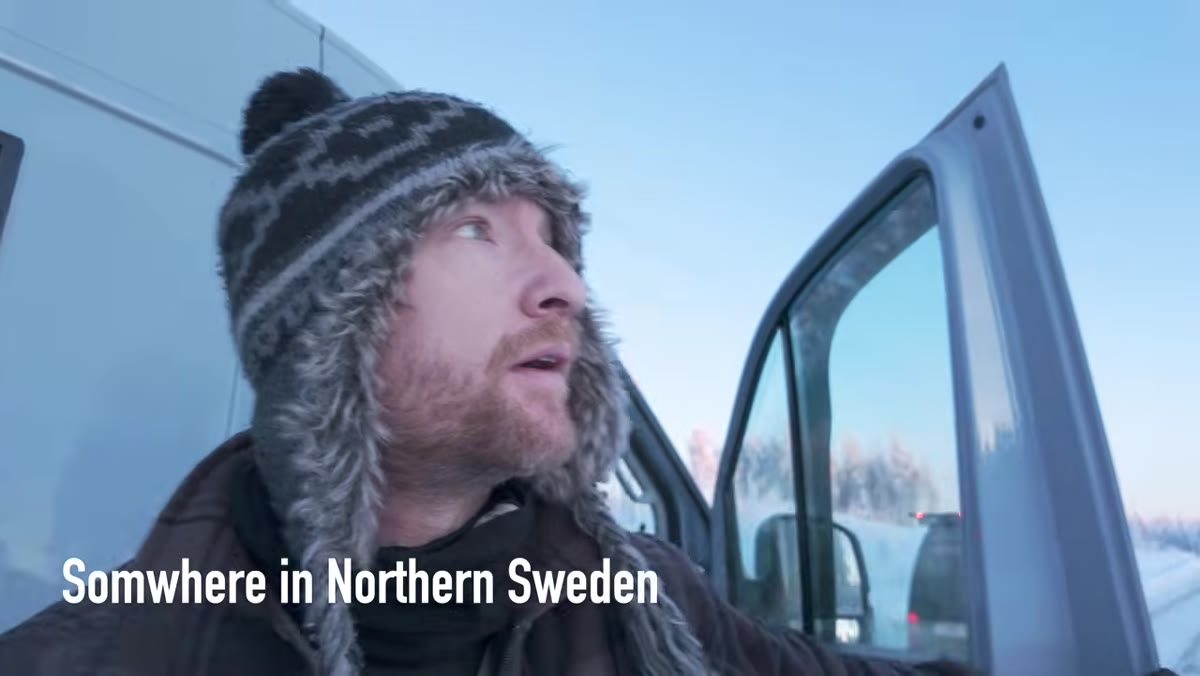 Thomas reacting to frozen trees from the van roof
The first lesson Heaton demonstrates happens almost immediately. He spots a stand of frost-covered trees from the road, pulls over, and climbs onto the roof of his van for a better vantage point before he even reaches for the camera. The instinct to evaluate before shooting is worth internalizing. Too many photographers, myself included, jump straight to the viewfinder and miss the moment where you should just be looking.
Thomas reacting to frozen trees from the van roof
The first lesson Heaton demonstrates happens almost immediately. He spots a stand of frost-covered trees from the road, pulls over, and climbs onto the roof of his van for a better vantage point before he even reaches for the camera. The instinct to evaluate before shooting is worth internalizing. Too many photographers, myself included, jump straight to the viewfinder and miss the moment where you should just be looking.
Before you shoot, scan the scene from multiple heights and angles. Even standing on a bumper or crouching low changes your relationship to the foreground and sky. Heaton is literally on a rooftop doing this. You don’t need a van, but you do need to resist the reflex to start chimping immediately.
Step 2: Read the Light Before You Set Anything
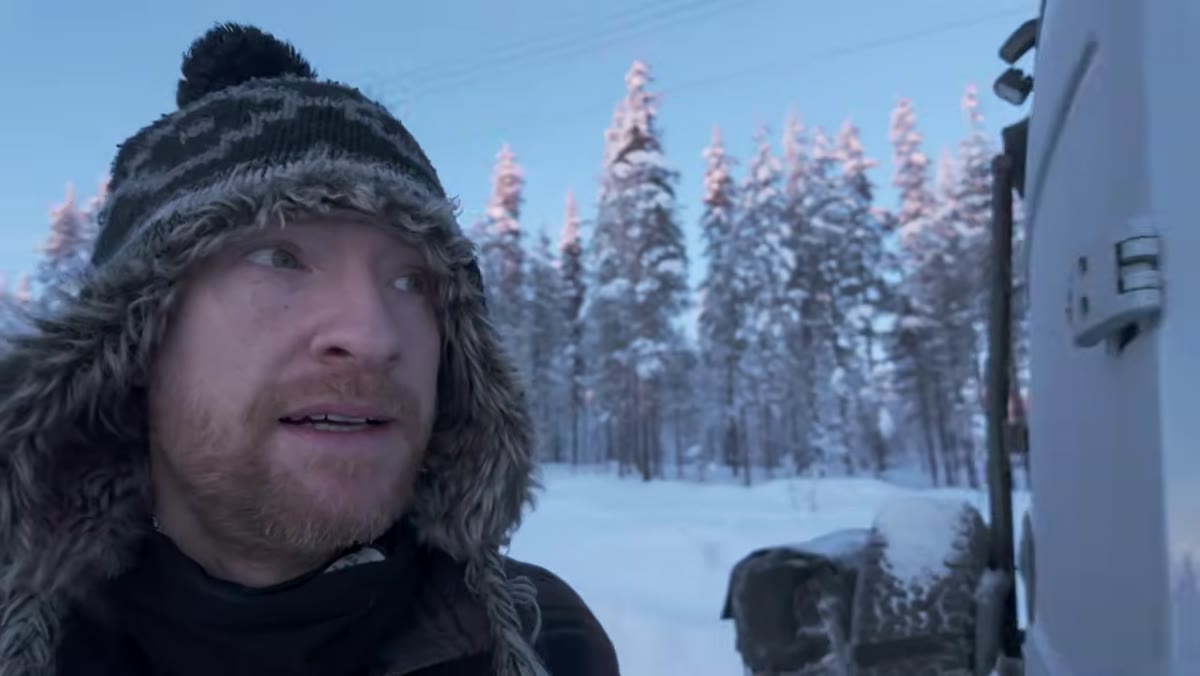 Heaton walking among frost-covered trees in soft directional light
Heaton keeps returning to the quality of light rather than the subject itself. The trees are, as he admits, just trees. What makes them photogenic in that moment is the soft, directional light cutting across the frost. This distinction matters enormously: the subject is the vehicle, but light is the content.
Heaton walking among frost-covered trees in soft directional light
Heaton keeps returning to the quality of light rather than the subject itself. The trees are, as he admits, just trees. What makes them photogenic in that moment is the soft, directional light cutting across the frost. This distinction matters enormously: the subject is the vehicle, but light is the content.
In practical terms, this means scouting during the golden hour window and watching for light that rakes across textured surfaces rather than floods them flat. Frost and snow are particularly responsive to low-angle light because the ice crystals catch and scatter it directionally. If the light is high and diffuse, the texture disappears. Wait for the angle, or come back when it’s right.
Step 3: Commit to the Location Even When Conditions Fight Back
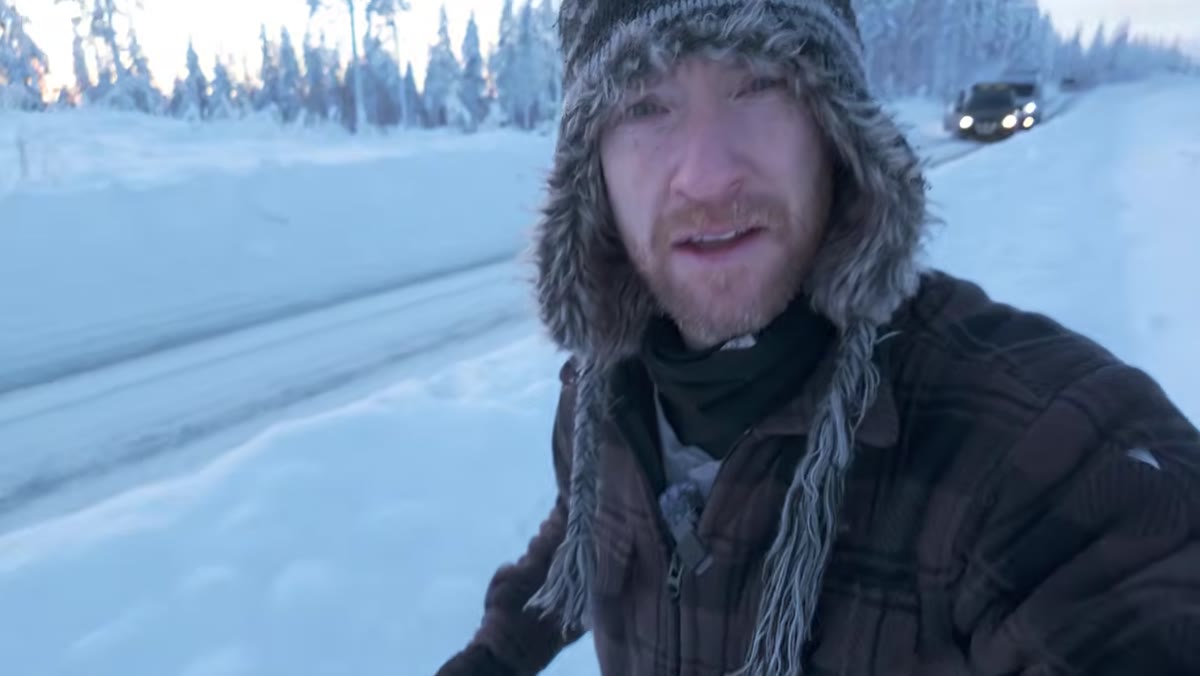 Heaton wading through thigh-deep snow toward a tree
There’s a moment in the video where Heaton sinks thigh-deep into snow trying to reach a composition he wants. He doesn’t retreat. He shoots from where he ends up, adapts the frame, and moves on. This is less a camera technique and more a working philosophy, and it’s one that actually produces better images than waiting for perfect conditions.
Heaton wading through thigh-deep snow toward a tree
There’s a moment in the video where Heaton sinks thigh-deep into snow trying to reach a composition he wants. He doesn’t retreat. He shoots from where he ends up, adapts the frame, and moves on. This is less a camera technique and more a working philosophy, and it’s one that actually produces better images than waiting for perfect conditions.
The practical takeaway here: when you can’t reach your ideal position, find the best frame available from where you are. Constraints force creative decisions. Some of Heaton’s most interesting compositions in this video come from being stuck somewhere unexpected rather than standing exactly where he planned.
Step 4: Camp Close, Wake Up First
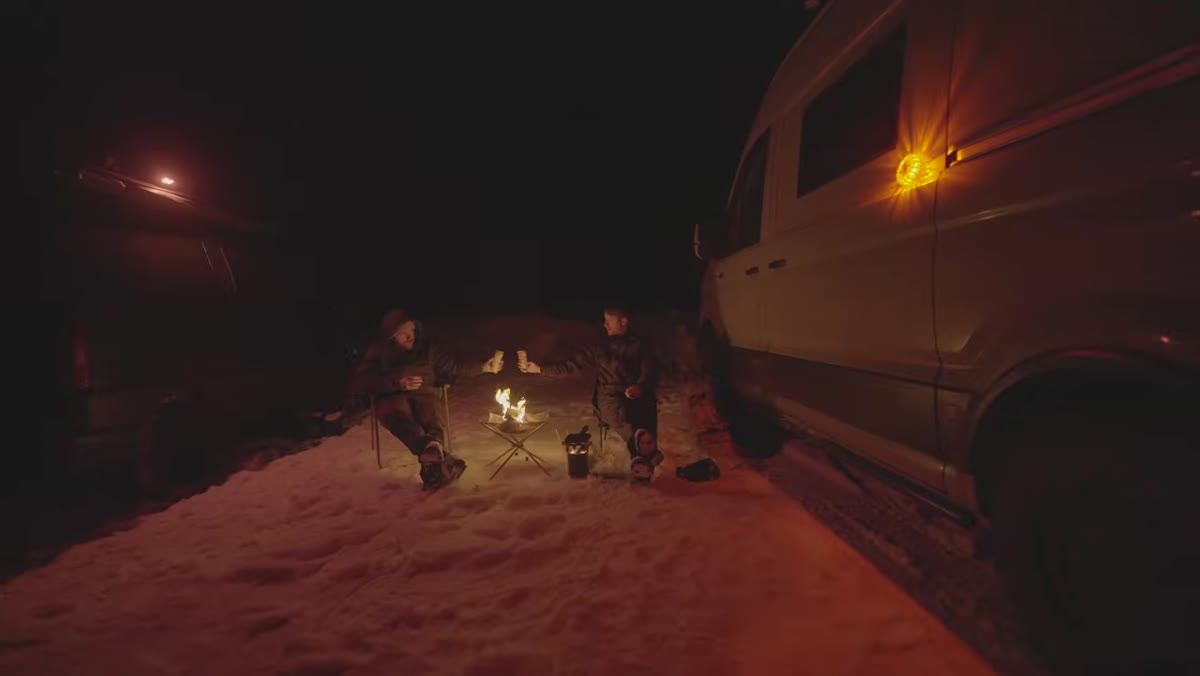
 Campfire in the dark at the edge of Muddus National Park
Heaton sets up camp inside Muddus National Park specifically to be positioned for a dawn shoot. This is field strategy, not just logistics. Being on location before light means you’re not rushing, not making noise, and not disturbing the scene. You’re just there, ready.
Campfire in the dark at the edge of Muddus National Park
Heaton sets up camp inside Muddus National Park specifically to be positioned for a dawn shoot. This is field strategy, not just logistics. Being on location before light means you’re not rushing, not making noise, and not disturbing the scene. You’re just there, ready.
For any landscape shoot, proximity is an underrated variable. A 45-minute drive at 5am in freezing temperatures introduces friction that makes you more likely to cut corners or give up entirely. Sleeping 200 meters from your subject removes that friction entirely. Even in less extreme environments, staying close to your location the night before a shoot changes your output.
Step 5: Accept That Not Every Outing Produces Keepers
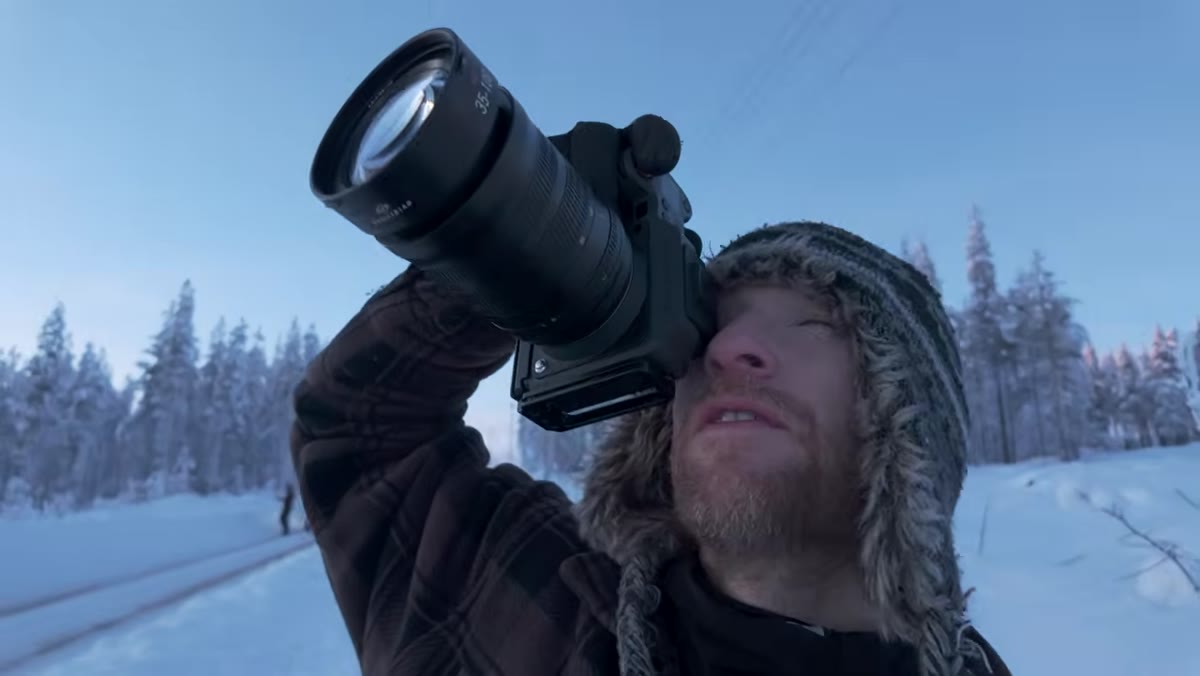 Heaton driving onward after an inconclusive shoot
Heaton openly says he probably didn’t get any keepers from the roadside tree stop, and then drives on without any visible distress about it. This is a professional mindset that takes time to develop. The shoot that doesn’t produce a single usable image still teaches you something: the light wasn’t right yet, the composition needed another angle, the conditions need to change.
Heaton driving onward after an inconclusive shoot
Heaton openly says he probably didn’t get any keepers from the roadside tree stop, and then drives on without any visible distress about it. This is a professional mindset that takes time to develop. The shoot that doesn’t produce a single usable image still teaches you something: the light wasn’t right yet, the composition needed another angle, the conditions need to change.
If you’re treating every photography outing as pass/fail based on whether you got a portfolio image, you’re going to burn yourself out fast. Heaton frames these trips around seeing and searching, with images as a byproduct rather than the goal. That framing produces better work over time because you stay curious instead of desperate.
Step 6: Use the Conditions as Part of Your Composition
 Wide establishing shot of frozen landscape with snow-heavy tree branches
The visual signature of Heaton’s Arctic images isn’t just that the trees are frozen. It’s that the weight of ice and snow is visible, structural. Branches bent under load, trunks half-buried, negative space filled with white. He’s using the environmental conditions as compositional elements, not just context.
Wide establishing shot of frozen landscape with snow-heavy tree branches
The visual signature of Heaton’s Arctic images isn’t just that the trees are frozen. It’s that the weight of ice and snow is visible, structural. Branches bent under load, trunks half-buried, negative space filled with white. He’s using the environmental conditions as compositional elements, not just context.
Whenever you’re shooting in weather, whether it’s frost, fog, rain, or harsh sun, ask what the conditions are doing to the shapes and lines in your frame. Weather changes the geometry of a scene. Leaning into that instead of working around it is what separates documentary snapshots from actual landscape photography.
What I’d Add from My Own Work
I don’t shoot Arctic landscapes. My version of “field photography” is usually wandering around Austin looking for interesting light on architecture or street scenes. But the principle Heaton demonstrates about stopping and looking before shooting has genuinely changed how I work, even in a city context.
The other thing I’d add: shoot RAW in cold or high-contrast conditions. Frost scenes in particular have brutal dynamic range, and you’ll want every bit of latitude in Lightroom or Camera Raw when you get back. Heaton doesn’t make a big deal about this in the video, but it’s implicit in any serious landscape workflow. Frozen whites blow out fast. Give yourself the recovery room.
The single most important thing in this video is the simplest: the quality of light matters more than the quality of the subject. A mediocre scene in extraordinary light beats a spectacular scene in flat light every time. Heaton drives 33 hours into the Arctic and his best images come from a patch of average trees because the light was doing something remarkable.
That’s the whole game, really. Watch the full tutorial on YouTube and pay attention to when Heaton stops talking about the camera and starts just reacting to what’s in front of him. That’s when the real lesson is happening.
Comments (2)
Never thought of approaching it this way. Really creative.
Quality content like this is rare. Keep it up.
Leave a Comment